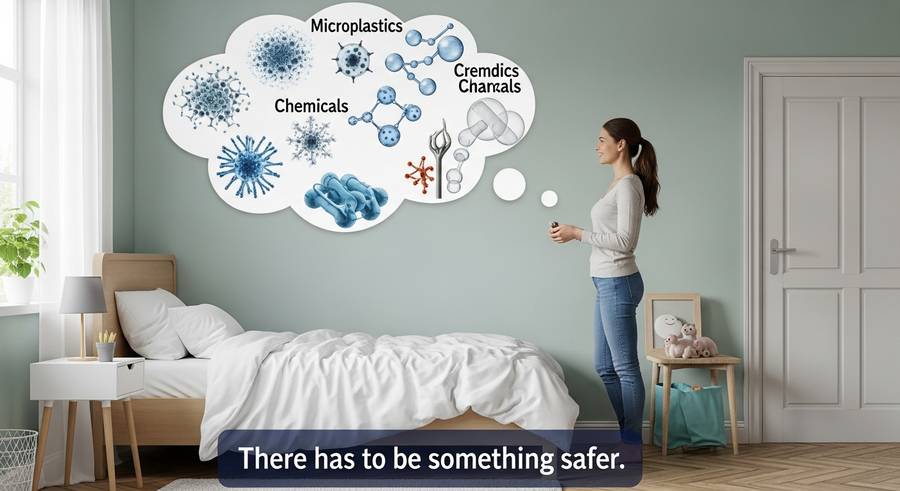
The idea of microplastics and unseen microorganisms inhabiting our beds might be unsettling, but understanding what we sleep on is crucial for our health and well-being. While synthetic bedding materials can harbor these issues, natural fibers like flax linen offer a compelling alternative. This article will explore the concerns around microplastics and bacteria in bedding, and highlight the benefits of choosing quality linen.
The Unseen World of Microplastics in Bedding
Many modern bedding materials, particularly those made from synthetic fibers like polyester, nylon, and acrylic, are essentially plastics. With every wash and daily wear, these fabrics shed tiny plastic fibers – microplastics. These microplastics can become airborne, settle on surfaces, and are inevitably inhaled or ingested. The long-term health effects of microplastic exposure are still being researched, but concerns include inflammation, endocrine disruption, and accumulation in bodily tissues. When you sleep on synthetic bedding, you are in close proximity to a constant source of these microscopic plastic pollutants.
The Bacterial and Fungal Landscape of Your Bed
Even if you manage to avoid microplastics, your bed can become a breeding ground for bacteria and fungi. Our bodies naturally shed skin cells, sweat, and oils, creating a nutrient-rich environment for microorganisms. Without proper ventilation and moisture-wicking properties, bedding can trap humidity, further encouraging the proliferation of dust mites, bacteria, and fungi. These can contribute to allergies, respiratory issues, and skin irritations. Beds can harbor millions of bacteria, and fungi can thrive in warm, damp conditions, impacting indoor air quality and personal health.
The Case for Natural, Breathable Fibers
This is where natural fibers, particularly flax linen, shine. Unlike synthetics that shed microplastics and trap moisture, linen is a breathable, natural fiber that actively works against these issues.
What Exactly Are Flax Linen Sheets?
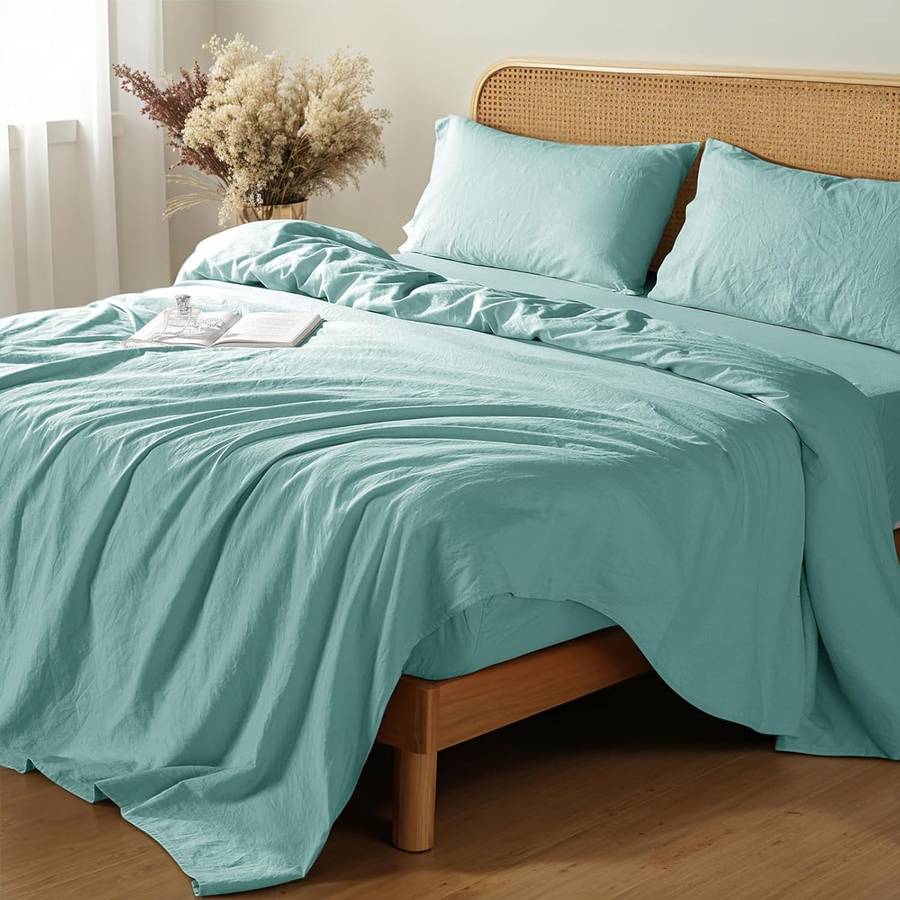
Flax linen sheets are bedding made from the natural fibers extracted from the stem of the flax plant (Linum usitatissimum). The process of transforming these fibers into fabric is ancient, with linen being one of the oldest textile materials known to humankind. Linen is renowned for its strength, breathability, and its ability to become softer with age and use.
The Art of Making Flax Linen Sheets
The creation of flax linen fabric is a multi-step, labor-intensive process:
- Sowing and Harvesting: Flax is cultivated, and once mature, it is typically harvested by pulling the entire plant from the ground to preserve the longest fibers.
- Retting: This crucial step loosens the fibers from the woody core of the flax stem. It can be done naturally through dew, water, or by chemicals, each method influencing the fiber's quality and color.
- Scutching and Hackling: The retted stalks are then scutched to break away the woody material and impurities. Hackling further separates and aligns the fine flax fibers.
- Spinning: The prepared fibers are spun into yarn.
- Weaving: The yarn is woven into fabric. The weave can vary, affecting the final texture and drape of the linen. Common weaves include plain weave, twill, and dobby.
- Finishing: After weaving, the fabric may undergo washing, bleaching (often with natural methods), and softening treatments.
What to Look for in Quality Linen Sheets
When selecting flax linen sheets, several factors indicate superior quality:
- Fiber Length and Quality: Longer flax fibers generally result in a stronger, smoother, and more durable fabric. European flax is often considered a benchmark for quality due to ideal growing conditions.
- Weave Density: A tighter weave can indicate higher quality and greater durability. Look for sheets that feel substantial and well-constructed.
- Weight (GSM): Linen sheets are often measured in grams per square meter (GSM). A typical range for good quality sheets is between 150-200 GSM. Higher GSM can indicate a denser, more luxurious feel, while lower GSM might be lighter and more breathable for warmer climates.
- Construction: Pay attention to seam construction, stitching quality, and the presence of any embellishments. French seams or high-quality stitching suggest better craftsmanship.
- Feel: High-quality linen should feel soft yet have a pleasant crispness. It should not feel rough or scratchy. As linen ages, it becomes exceptionally soft.
- Certifications: Several certifications can assure you of the quality and ethical production of your linen sheets:
- European Flax®: This certification guarantees that the flax was grown and processed in Western Europe, adhering to strict environmental and quality standards. It ensures traceability from field to fabric.
- OEKO-TEX® Standard 100: This globally recognized certification tests for harmful substances in textiles. It ensures that the product is safe for human health.
- GOTS (Global Organic Textile Standard): For organically produced linen, GOTS is the leading certification. It ensures that the entire supply chain, from cultivation to manufacturing, meets stringent environmental and social criteria.
A History Woven in Time and Superiority
The use of flax linen stretches back thousands of years, with evidence of its cultivation and use dating back to ancient Egypt and Mesopotamia. Its enduring popularity is not accidental; linen possesses a remarkable combination of properties that have made it a coveted material across civilizations and through the ages.
Its natural strength meant it could withstand frequent washing and wear, making it ideal for clothing, sails, and of course, bedding. The ancient Egyptians even used linen for mummy wrappings, a testament to its durability and perceived purity. Its breathability and thermoregulatory qualities made it comfortable in both hot and cool climates, a feature that remains highly relevant today.
Linen Versus the Modern Bedding Landscape
Compared to other popular bedding materials on the market, linen stands out for several key advantages:
- Cotton: While soft and widely available, cotton production can be water-intensive and often involves pesticides. High-quality cotton can be luxurious, but it typically doesn't possess the same inherent durability or breathability as linen. Cotton can also pill over time, whereas linen generally improves with age.
- Polyester and Blends: These synthetic materials are often cheaper but lack the natural breathability and moisture-wicking properties of linen. They can trap heat and may not be as kind to sensitive skin. Their environmental impact during production and disposal is also a concern.
- Bamboo: Bamboo fabric can be very soft and breathable, but its processing often involves harsh chemicals (rayon/viscose process), raising environmental questions. While some forms of bamboo processing are more sustainable, it is less common. Linen's processing, especially when done traditionally, can be more eco-friendly.
- Silk: Silk offers a luxurious feel and excellent temperature regulation, but it is delicate, requires special care, and is often prohibitively expensive for everyday bedding.
Linen's unique selling proposition lies in its perfect balance of luxury, practicality, and sustainability. It offers a cool, dry sleeping surface, is incredibly strong, and becomes softer and more beautiful with every wash, a characteristic few other fabrics can claim.
The Enduring Value of 100% European Flax Linen Bedding
Investing in 100% flax linen bedding, particularly from Europe, is a choice for unparalleled quality, comfort, and longevity. European flax cultivation and processing are renowned for their heritage and meticulous standards, often ensuring higher fiber quality and more sustainable practices.
Choosing 100% flax linen means opting for a natural, breathable, and hypoallergenic fabric that actively works to keep you comfortable year-round. It's a material that ages gracefully, transforming from crisp to sumptuously soft over time, offering a tactile experience that is both comforting and sophisticated. The inherent strength of flax linen also means your bedding will be a durable investment, reducing the need for frequent replacements and contributing to a more sustainable lifestyle. For those seeking a sleep experience that is both luxurious and grounded in nature's finest offerings, 100% European flax linen is an investment that truly pays dividends in comfort and well-being for years to come.
Natural Wellness and Antimicrobial Properties
While scientific validation for specific resonance frequencies like 5000Hz in flax linen conferring healing properties is not readily available in mainstream research, linen's natural attributes offer significant health benefits. Linen is inherently antimicrobial and antifungal, thanks to the presence of lignins within its fibers. These properties mean that linen fibers resist the growth of bacteria and fungi, contributing to a cleaner and more hygienic sleeping environment. This is particularly beneficial for individuals prone to skin sensitivities or allergies. Furthermore, the fabric's exceptional breathability and moisture-wicking capabilities help regulate body temperature, preventing excessive sweating and promoting a cooler, drier sleep, which can contribute to a more restful night. Anecdotal evidence and traditional knowledge sometimes suggest that the natural properties of linen may also help deter insects like bed bugs due to its texture and composition, though this is not a substitute for proper pest control measures. Historically, linen's superior hygiene and durability made it the fabric of choice in medical settings. Before the advent of modern synthetic materials, hospitals and infirmaries relied on linen sheets and linens because they could withstand rigorous washing and sterilization processes at high temperatures, which effectively killed pathogens and ensured cleanliness. This historical use underscores the inherent hygienic advantages of linen.
I do not promote any single brand, you can do your research and find the best fit for you! Yes, they may cost a bit more, but we all must ask ourselves, "how much is our health worth?"
Happy shopping!
Back to table of contents
ADVERTISEMENT
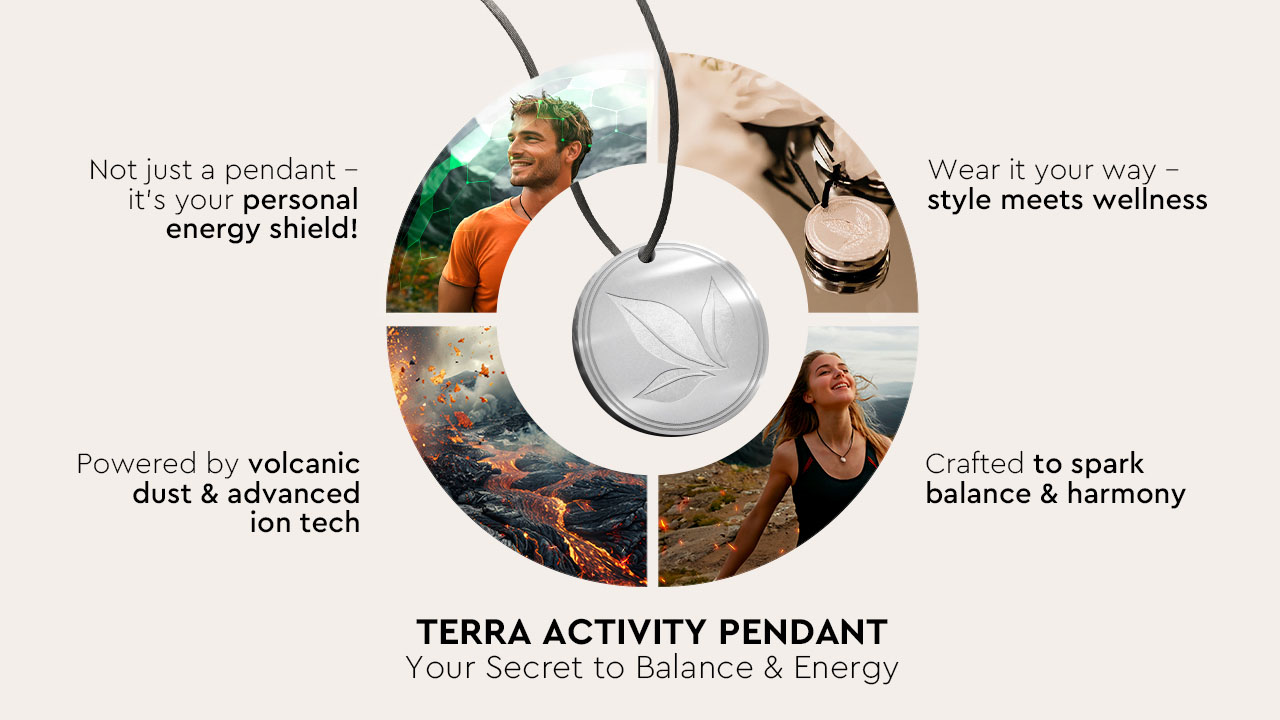
Experience Rapid Wellness with Terra Medallion!
The Terra Medallion by APLGO is an innovative wellness pendant designed to enhance your well-being using advanced ION technology. Crafted from a lava-based compound and embedded with alpha and theta energy, this pendant emits up to 2000 negative IONS, creating a microcurrent that supports your body's biofield and cellular metabolism. Many users report feeling a difference in energy and mood within days of wearing the Terra Medallion, experiencing benefits such as increased energy, reduced stress, improved mental clarity, and a more positive mood. The pendant's scalar energy works both externally to strengthen your biofield and internally to promote cell permeability, oxygen saturation, and positive energy flow. It's designed to last for a minimum of 50 years with minimal maintenance, requiring only a few hours of sunlight exposure twice a year. Shield yourself from electronic smog and start feeling the positive effects of balanced energy with Terra Medallion!The Terra Medallion harnesses the power of negative IONS, scalar energy, Terra Activity, and Schumann Frequencies. Negative IONS are believed to boost serotonin levels, alleviating stress and enhancing mood. Terra Activity regulates telomerase activity, supporting cellular health, while Schumann Frequencies resonate with the Earth's natural frequencies, promoting emotional balance and grounding. Scalar energy, derived from volcanic materials, is believed to neutralize harmful electromagnetic frequencies, offering protection against electronic smog.