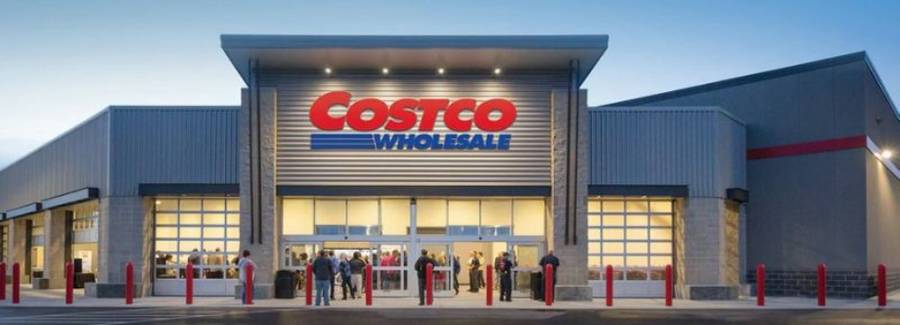
We are among the millions who do shop at Costco. Although not for TP/ Paper towels and such. What caught my eye is the diverse and wonderful organic offerings that Costco has been building into their inventory for years now. Not only are the products certified organic, many times they are local, and the price cannot be beat!
We have found that you cannot buy a better Ribeye steak at other grocery stores, much less for a better price!
So I thought I would do some research on just what Costco is doing! It is clear they know their customers and are giving them exactly what they want. More and more people are moving to organics (if they cannot grow their own) and they are usually very pricey. Unless you shop at Costco!
Just What Is Costco Doing?
Costco has cemented its position not just as a warehouse club, but as a keen observer and astute caterer to the evolving needs and desires of its vast customer base. In an era where consumer awareness regarding health and environmental impact is on the rise, Costco has demonstrably understood and embraced the demand for organic options, making them accessible and affordable for millions.
The Organic Revolution at Costco
The shift towards organic products is no longer a niche trend; it's a significant consumer movement. Costco has not only recognized this but has actively shaped its inventory to meet this demand. They have made a strategic and substantial investment in providing organic alternatives across a wide spectrum of products, proving that quality and conscious consumerism don't have to come with a premium price tag.
This commitment is evident in the diverse range of organic items available. Customers can find organic options in categories such as:
- Dairy and Eggs
- Produce (Fruits and Vegetables)
- Seafood
- Meats (Beef, Poultry, Pork)
- Packaged Goods (Snacks, Cereals, Pasta)
- Beverages (Juices, Coffee, Tea)
- Baby Food and Formula
- Household Cleaning Supplies
🌱 Where Costco Gets Its Organic Produce
Costco sources its organic fruits and vegetables through a hybrid model that includes:
🧑🌾 Contracted Organic Growers
Costco partners with trusted organic farms and suppliers across the U.S. and internationally. These growers are certified under USDA Organic standards, which prohibit synthetic pesticides, GMOs, and artificial fertilizers. Some of the major names include:
Driscoll’s – for organic berries
Taylor Farms – for organic greens and salads
Earthbound Farm – for packaged organic produce
🌍 Regional & Seasonal Sourcing
Costco prioritizes local sourcing when possible:
In summer, organic produce may come from nearby farms in California, Washington, or Oregon.
In winter, Costco supplements with imports from Mexico, Peru, and Chile, depending on seasonality.
This ensures year-round availability while supporting regional agriculture when feasible.
🧑🌾 Costco-Owned Organic Farms
Interestingly, Costco has also begun investing in its own organic farms, though details are limited. These farms help supply select stores with consistent organic offerings.
🧪 Quality & Certification
All organic produce at Costco must meet:
USDA Organic certification
Non-GMO sourcing
Sustainable soil and biodiversity practices
Costco regularly audits its suppliers to maintain these standards.
Vertical Integration for Organic Quality
A key element in Costco's strategy to deliver high-quality organic products at competitive prices is their vertical integration. Costco doesn’t directly own multiple organic chicken farms—instead, it operates a vertically integrated poultry complex in Fremont, Nebraska, and partners with a network of around 120 contract farmers in Nebraska and Iowa to raise the chickens.
🐔 Key Facts About Costco’s Organic Chicken Operation
Details
Facility Location: Fremont, Nebraska
Farm Partnerships: 120 contract farmers in Nebraska and Iowa
Ownership Model: Costco owns the hatchery, feed mill, and processing plant
Annual Production: 104 million chickens (2 million per week at full capacity)
Organic Chicken Source: Same facility and farms, following USDA organic standards
Brand: Kirkland Signature Organic Chicken
Costco’s poultry operation is managed through Lincoln Premium Poultry, a company created specifically to run this supply chain. While Costco doesn’t own the individual farms, it controls the entire process—from hatchery to processing—ensuring quality, cost control, and compliance with organic and humane standards. This direct oversight allows for greater quality control and a more consistent supply of organic proteins.
Costco & Salmon Farming: What’s Really Happening
Costco does not farm its own salmon directly. Instead, it sources farm-raised salmon from trusted international suppliers who operate in regions known for sustainable aquaculture. Here's how it works:
🌍 Where Costco’s Farm-Raised Salmon Comes From
Country: Norway
Why It’s Chosen: Pristine Fjords, Strict Regulations, Rich Flavor, Firm Texture
Country: Chile
Why It's Chosen: Cold Antarctic currents, long coastline, Vibrant color, delicate taste
Country: Canada
Why It's Chosen: Cool waters, strong sustainability standards, Mild flavor, buttery texture
These countries are leaders in salmon aquaculture and follow rigorous environmental and health protocols.
✅ Costco’s Sustainability Commitment
Costco partners with farms certified by:
ASC (Aquaculture Stewardship Council)
BAP (Best Aquaculture Practices)
They also collaborate with organizations like the World Wildlife Fund (WWF) to ensure responsible sourcing.
🧪 Farming Practices Used by Suppliers
Open-water cage systems with natural water flow
Sustainable feed made from responsibly sourced marine ingredients
Vaccination programs and minimal antibiotic use
Regular water quality monitoring to prevent disease and pollution
So while Costco doesn’t own salmon farms, it’s deeply involved in vetting and partnering with producers who meet high standards for quality and sustainability. Something else notable here is that all of their salmon comes very COLD waters. This is important!
🛡️ Safety & Purity
Cold-water environments often mean:
Lower parasite load: Parasites struggle to survive in colder temperatures, reducing risk
Cleaner waters: Remote cold regions (like Alaska or Norway) tend to have less industrial pollution, lowering heavy metal and toxin exposure
Less antibiotic use: Cold-water farms (especially in Norway and Canada) often use fewer antibiotics due to slower disease spread
🥩 Costco’s Beef & Pork Supply Chain: Ownership vs. Contracting
Costco does not own beef or pork farms directly. Instead, it relies on long-term contracts with major U.S. suppliers and ranchers to maintain a consistent, high-quality supply across its warehouses. This approach gives Costco control over quality and pricing without the overhead of farm ownership.
🐄 Beef: Top Contracted Suppliers
Supplier: Harris Ranch
Location: California
Contribution to Costco Beef: 22%
Notable Practices: Family-owned, grain-fed cattle
Supplier: Five Rivers Cattle Feeding
Location: Colorado
Contribution to Costco Beef: 18%
Notable Practices: Largest cattle feeder in North America
Supplier: Greater Omaha Packing
Location: Nebraska
Contribution to Costco Beef: 12%
Notable Practices: High-tech processing, USDA safety focus
These suppliers raise and process cattle under strict guidelines, often feeding them a mix of grains, alfalfa, and grass for optimal marbling and flavor.
🐖 Pork: Ethical Sourcing Focus
Costco contracts with pork producers who meet standards like:
Gestation crate-free practices
Humane handling certifications
No added hormones or unnecessary antibiotics
While specific pork suppliers aren’t always publicly named, Costco’s pork sourcing is largely domestic and aligned with animal welfare commitments.
🧭 Why This Matters
Costco’s contract-based model allows:
Scalability across 800+ warehouses
Consistent quality for Kirkland Signature meats
Sustainability oversight without direct ownership
Although this is not ALL of the departments that Costco offers organic options, I would challenge you to check out all the organic options they offer.
Unbeatable Value on Organic
What truly sets Costco apart is their ability to offer these organic choices at prices that are remarkably competitive, often significantly lower than traditional grocery stores or other specialty retailers. They achieve this through their bulk purchasing model and operational efficiencies. For consumers looking to incorporate more organic foods into their diet without breaking the bank, Costco has become the go-to destination. Their understanding of the average household budget, combined with their commitment to organic, has created a powerful synergy that benefits millions of shoppers who prioritize both health and value. Costco doesn't just sell organic products; they democratize access to them.
Back to table of contents