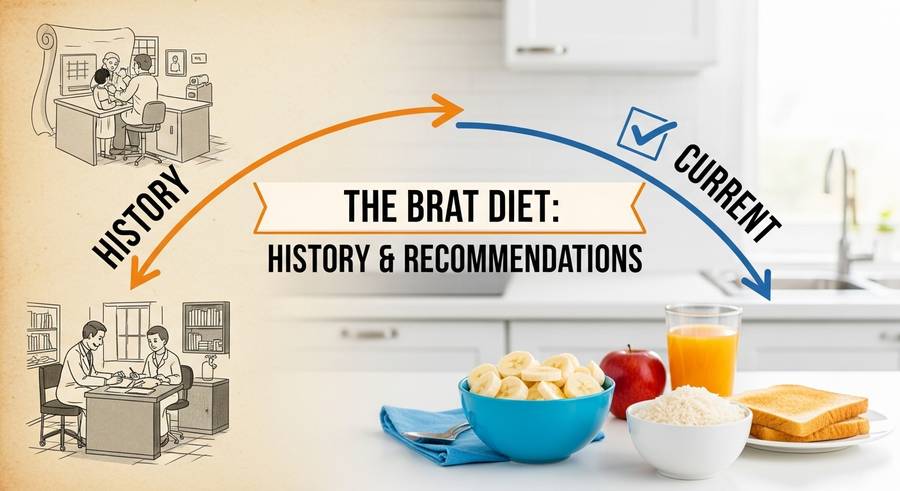
What is the BRAT Diet?
The BRAT diet is an acronym that stands for Bananas, Rice, Applesauce, and Toast. For many years, it was a commonly recommended dietary approach for individuals experiencing gastrointestinal distress, particularly upset stomachs, vomiting, and diarrhea. The premise was that these bland, low-fiber foods would be easy to digest and help to bind the stool, thus easing symptoms.
Why Was it Recommended?
The BRAT diet was believed to be beneficial because it is low in fiber, fat, and protein. These types of foods are generally considered easy on the digestive system. The blandness of the foods was thought to prevent further irritation of the stomach lining. The carbohydrate-rich nature of these foods was also believed to provide energy without taxing the digestive system.
Why the BRAT Diet is No Longer the Standard Recommendation
Evolving Medical Understanding
Medical understanding of gastrointestinal illnesses has evolved significantly. While the BRAT diet might offer some temporary relief for very mild symptoms, it is now understood to be nutritionally inadequate for sustained recovery. The restricted nature of the diet can lead to deficiencies in essential vitamins and minerals if followed for too long. Reference The Oregon Clinic
FOODS TO FOCUS ON
Soft fruits: bananas, applesauce, avocado, pumpkin, canned fruit (packed in water not heavy syrup), and melons
Steamed or boiled vegetables: carrots, green beans, potatoes, and squash
Low-fiber starches: white bread, white rice, saltine crackers, cream of wheat, instant oatmeal, and noodles
Unseasoned skinless baked chicken or turkey, scrambled eggs, yogurt and kefir
Drinks: bone broth, apple juice, coconut water, Pedialyte, weak tea
Homemade oral rehydration solution to prevent dehydration: 1 Liter of clean or boiled water, mix in 1/2 teaspoon of salt and 6 teaspoons of sugar and stir until both salt and sugar are completely dissolved. Cool down the water to room temperature or cooler before drinking.
FOODS TO AVOID
Avoid milk and dairy products for three days. Yogurt and kefir are okay
Avoid fried, fatty, greasy and spicy foods
Avoid pork, veal, salmon, and sardines
Avoid raw vegetables such as parsnips, beets, sauerkraut, corn on the cob, cabbage, broccoli, cauliflower, and onions
Avoid citrus fruits: pineapples, oranges, grapefruits, lemons and limes
Other fruits to avoid: tomatoes, cherries, grapes, figs, raisins, and seeded berries
Avoid extremely hot or cold beverages
Avoid alcohol
Avoid coffee and caffeinated sodas
Avoid added sugars and sweets like candy, soda and most juice
ADDITIONAL HEALTH GUIDELINES
Choose liquids that contain some sugar and salt to prevent dehydration, such as Pedialyte or apple juice with a pinch of salt.
Rest and avoid exertion to give your body a chance to recover.
Consult your health care provider about taking medication.
Nausea and vomiting may have different causes. Please contact your healthcare provider if these symptoms last more than 24 hours and seek immediate care if you cannot hold down clear liquids.
Diarrhea may be “acute”, beginning suddenly and resolving over a few days with dietary changes, or of a “chronic” ongoing process. Causes of diarrhea lasting more than 3 days should be discussed with your healthcare provider.
Additional symptoms that are concerning are: fever, weight loss, lightheadedness (feeling of faintness), rectal bleeding or abdominal pain.
SAMPLE DIET
First six hours:
In the immediate six or so hours after vomiting has stopped, it is best to give your stomach a rest. Following a period of one to two hours, suck on hard candy or popsicles (no chewing). Then progress to ice chips or sips of water if nausea persists.
First 24 hours (Day One):
Gradually add clear liquids if the vomiting has ceased. Beginning with a sip or two every ten minutes is a good way to start. Suggestions include water, apple juice, electrolyte beverage, weak tea, Jell-O (in liquid or gelatin form), broth or bouillon (clear base from a non-greasy soup). If symptoms of nausea or vomiting return, begin the process again, taking nothing by mouth for an hour or so.
Day Two:
Begin to add bland, low-fat foods as listed above, like bananas, rice, applesauce, crackers, cooked cereals (Farina, Cream of Wheat), toast and jelly, yogurt, cooked carrots, and chicken or turkey. Eat small meals every few hours.
Day Three:
Progress to a “regular” diet if symptoms have improved. Continue to eat small meals every few hours. If still having symptoms, continue to focus on bland foods listed above.
Lack of Key Nutrients
The BRAT diet is deficient in several key nutrients that the body needs to recover from illness, especially from conditions involving diarrhea. It lacks sufficient protein, healthy fats, and many essential vitamins and minerals. Prolonged adherence to this diet can hinder the body's ability to repair itself and regain strength.
Risk of Dehydration
While the BRAT diet focuses on solids, it doesn't adequately address the crucial need for rehydration, especially in cases of significant vomiting or diarrhea. Fluid and electrolyte loss can be a serious concern, and a diet solely of BRAT foods does not promote adequate fluid intake.
Limited Effectiveness for Certain Conditions
For more severe cases of diarrhea or vomiting, the BRAT diet may not be effective enough. It doesn't provide the necessary components to replenish lost electrolytes or support the gut microbiome. In some instances, a more varied and nutrient-dense diet, combined with appropriate medical treatment, is necessary.
Current Recommendations for Upset Stomach
Focus on Rehydration
The primary concern when experiencing vomiting or diarrhea is preventing dehydration. This is achieved by consuming plenty of clear fluids. Recommended fluids include water, oral rehydration solutions (like Pedialyte), clear broths, and diluted fruit juices.
Gradual Reintroduction of Foods
Once vomiting has subsided and the individual can tolerate fluids, a gradual reintroduction of bland, easily digestible foods is recommended. This approach is often referred to as a "bland diet" rather than strictly the BRAT diet.
Examples of Recommended Foods
- Lean Proteins: Baked or grilled chicken or turkey (without skin), fish.
- Cooked Vegetables: Carrots, green beans, potatoes (boiled or baked).
- Fruits: Bananas, applesauce, melons.
- Grains: White rice, toast, crackers, oatmeal.
- Dairy: Yogurt with live cultures may be beneficial for some.
When to Seek Medical Advice
It's important to consult a healthcare professional if symptoms are severe, persist for more than a couple of days, or are accompanied by high fever, blood in the stool, or signs of dehydration. A doctor can provide a proper diagnosis and recommend the most appropriate course of treatment, which may include medication or specific dietary guidance. The focus is now on a balanced and nutritious approach to recovery rather than a severely restricted diet.
Contact me
Table of Contents
ADVERTISEMENT
Step into a Healthier You with Acumullit Drops
Experience the power of Acumullit SA® technology, a revolutionary process that unlocks the full potential of natural botanicals. Our unique extraction method isolates nano-particles from whole foods, creating a highly absorbable, nutrient-rich blend. These activated plant compounds, with their natural negative charge, work in harmony with your body, supporting cellular communication and neutralizing disruptions from environmental factors. APL® GO lozenge drops harness this advanced science to deliver premium botanicals in a delicious and convenient form, making it easier than ever to enhance your wellness journey, especially when combined with your daily walks.