Building a Healthier Workplace: The Essential Role of Mental Health Professionals
The modern workplace is a dynamic environment, constantly evolving with new technologies, challenges, and demands. While much attention is often given to physical safety and ergonomic setups, an equally critical, though often overlooked, aspect of workplace well-being is mental health. A healthy workplace isn't just one free from physical hazards; it's also an environment that actively supports the psychological well-being of its employees. And in this crucial endeavor, mental health professionals play an indispensable role.
The Growing Urgency of Workplace Mental Health
The conversation around mental health has thankfully moved from the shadows into mainstream discourse. We now understand that mental well-being is not separate from physical health but deeply intertwined with it. In the workplace, unchecked stress, anxiety, burnout, and depression can lead to a multitude of negative outcomes:
- Decreased productivity and performance.
- Increased absenteeism and presenteeism (being physically present but mentally disengaged).
- Higher turnover rates as employees seek healthier environments.
- Strained team dynamics and diminished morale.
- Increased healthcare costs for the organization.
Ignoring these signs is no longer an option. Forward-thinking organizations recognize that investing in mental health is not just a moral imperative but a strategic business decision that fosters resilience and drives success.
The Indispensable Role of Mental Health Professionals
This is where trained mental health professionals—psychologists, psychiatrists, counselors, and social workers—step in. Their expertise goes far beyond simply offering a listening ear; they bring a structured, evidence-based approach to creating and sustaining a mentally healthy work culture.
Mental health professionals are skilled at identifying early signs of distress, burnout, or emerging mental health conditions. They can conduct confidential assessments, offering a safe space for employees to discuss their struggles and receive timely support before issues escalate into crises.
Perhaps their most direct contribution is providing individual or group counseling. Whether through an Employee Assistance Program (EAP) or direct referral, access to professional therapy helps employees develop coping mechanisms, manage stress, address personal challenges, and improve overall emotional regulation. This support can be a lifeline for many, preventing the need for more intensive interventions down the line.
Beyond individual support, mental health professionals can work with leadership to design and implement comprehensive mental well-being strategies. This includes advising on policies that promote work-life balance, reduce workload pressures, and foster a culture of psychological safety. They can help integrate mental health considerations into all aspects of HR and operations.
Stigma often prevents individuals from seeking help. Mental health professionals can lead workshops and training sessions for employees and managers, educating them on mental health literacy, stress management, resilience building, and how to effectively support colleagues in distress. This empowers everyone in the organization to be part of the solution.
In the unfortunate event of a workplace crisis (e.g., a traumatic incident, sudden loss, or significant organizational change), mental health professionals are crucial for providing immediate support, critical incident stress debriefing, and follow-up care, helping the workforce process the event and mitigate long-term psychological impact.
By simply being present and accessible, mental health professionals help normalize conversations around mental well-being. They become advocates for creating an open, non-judgmental environment where employees feel comfortable discussing their mental health concerns without fear of reprisal or discrimination.
Implementing Professional Support: Practical Steps for Employers
Organizations looking to integrate mental health professionals into their workplace well-being strategy can consider:
- Providing a confidential, external service for employees to access short-term counseling and referral services.
- Offering direct access to licensed professionals within the workplace or via secure online platforms.
- Collaborating with local mental health organizations or private practices for specialized services.
- Ensuring that senior leadership champions mental health initiatives, modeling positive behavior and fostering an open culture.
The ROI of Well-being: A Win-Win for Everyone
The return on investment (ROI) for prioritizing workplace mental health is significant. Companies that invest in employee well-being report higher employee engagement, reduced absenteeism, improved productivity, and lower healthcare costs. Beyond the numbers, it creates a more compassionate, supportive, and resilient workforce, ultimately leading to a more positive and sustainable organizational culture.
Building a truly healthy workplace demands a holistic approach, and the expertise of mental health professionals is an invaluable asset in this endeavor. By integrating their knowledge and services, organizations can cultivate environments where employees not only survive but thrive, leading to success for both the individual and the enterprise as a whole.
ADVERTISEMENT
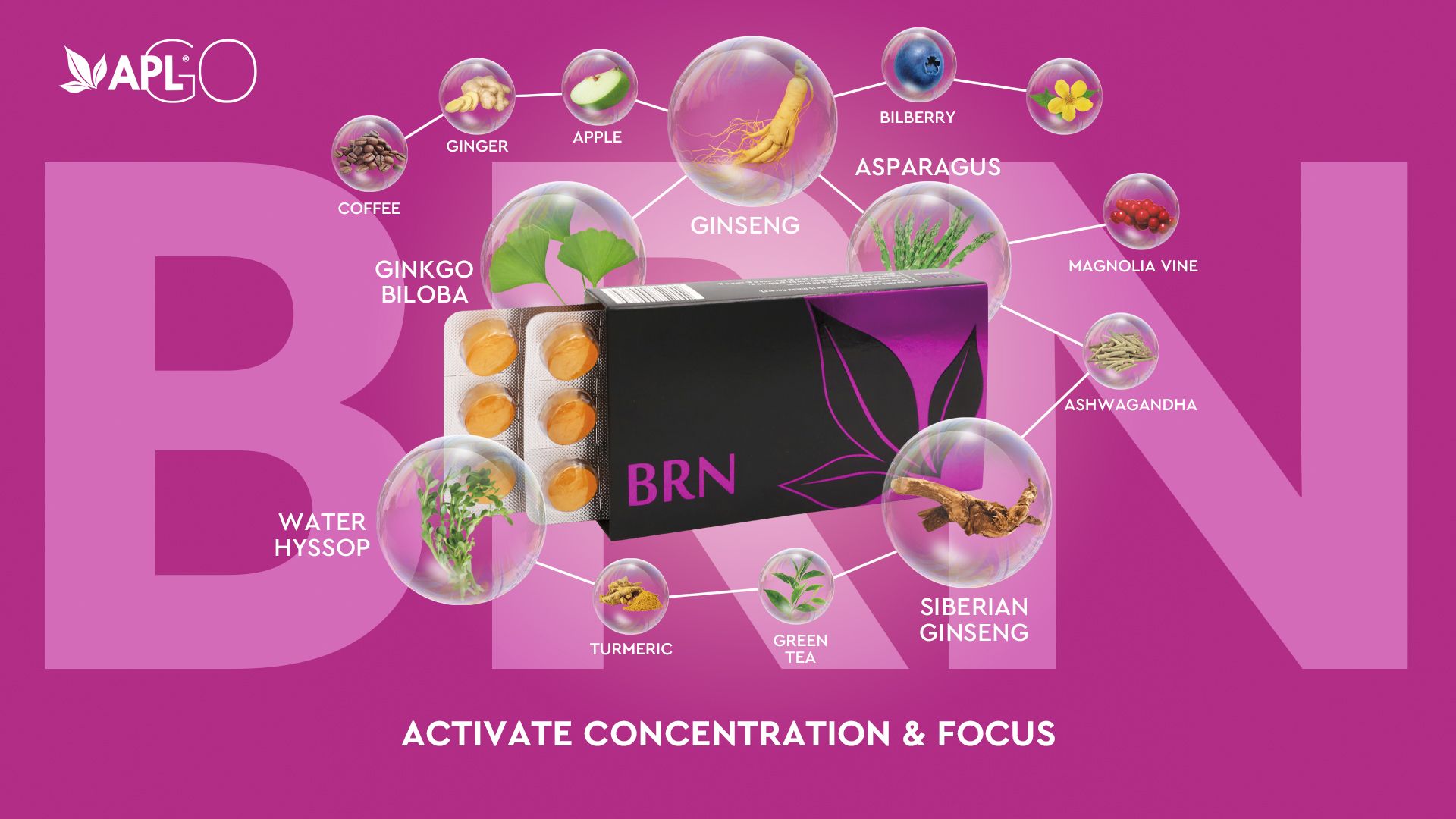
BRN: Your Partner for Workplace Mental Health & Focus
BRN is a powerful wellness solution designed to support the growing demand for improved workplace mental health and cognitive function. It delivers essential nutrients that can significantly enhance everyday learning, thinking, and mental alertness, crucial for a demanding work environment. Furthermore, BRN aids in effective mental stress management, helping to reduce anxious and sad feelings often associated with workplace pressures. These lozenge drops leverage
Acumullit SA® technology for rapid absorption, ensuring focus, concentration, and peak mental performance are quickly supported, fostering a more productive and balanced workday.BRN's comprehensive formula includes a blend of powerful botanicals known for their cognitive and adaptogenic properties. Key ingredients like Ginkgo Biloba are celebrated for supporting memory and focus. Ashwagandha, a renowned adaptogen, is included for its ability to help the body manage stress and reduce anxious feelings. Green Tea offers a gentle mental lift and sustained alertness without jitters, while Turmeric supports overall brain health. Other vital components such as Siberian Ginseng, Magnolia Vine, Water Hyssop, Ginger Root, Bilberry, Apple, Ginseng, Damiana, Asparagus, and Coffee further contribute to the product's efficacy in promoting mental clarity, emotional balance, and sustained cognitive performance throughout the workday.
Back to the Table of Contents