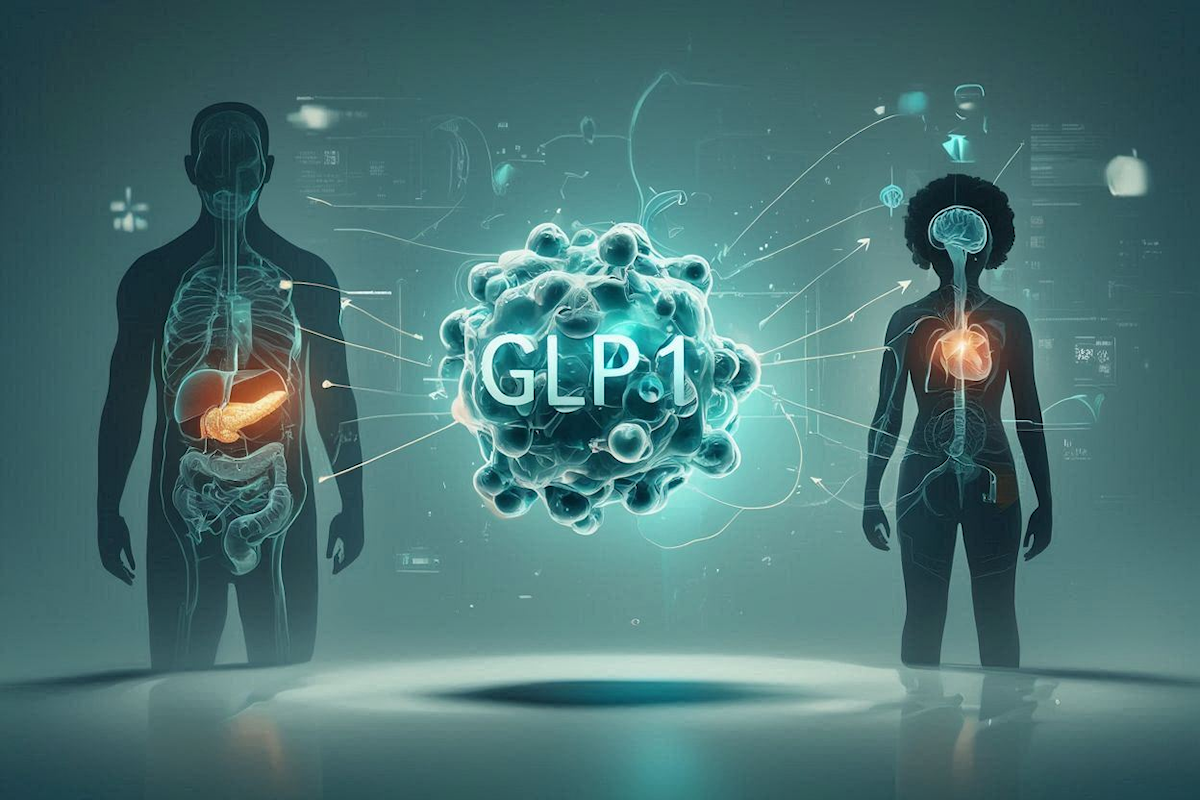
The landscape of metabolic health is undergoing a profound transformation, largely driven by the emergence and widespread adoption of Glucagon-Like Peptide-1 (GLP-1) receptor agonists. While initially developed and lauded for their significant efficacy in managing type 2 diabetes and promoting weight loss, these remarkable medications are now revealing a much broader spectrum of potential benefits, impacting numerous physiological systems and offering hope for conditions previously considered intractable. The narrative surrounding GLP-1s is rapidly expanding beyond the headlines of "Ozempic" and "Wegovy," delving into a rich story of scientific discovery and therapeutic innovation.
Understanding GLP-1 Agonists
GLP-1 is a naturally occurring hormone produced in the intestines in response to food intake. It plays a crucial role in regulating blood glucose levels by stimulating insulin secretion, suppressing glucagon release, and slowing gastric emptying. GLP-1 agonists are synthetic drugs that mimic the action of this natural hormone, providing a sustained and amplified effect.
The Foundation of Diabetes and Weight Management
The initial success of GLP-1 agonists was built on their dual action: improving glycemic control in individuals with type 2 diabetes and leading to substantial weight reduction. This weight loss is attributed to several mechanisms, including increased satiety, reduced appetite, and slowed digestion. For millions, these medications have offered a new paradigm in managing these chronic conditions, leading to improved quality of life and reduced risk of associated complications.
Expanding Horizons The Impact on Cardiovascular Health
One of the most significant and well-established extensions of GLP-1 therapy beyond metabolic control is its profound impact on cardiovascular health. Large-scale clinical trials have demonstrated that GLP-1 agonists can significantly reduce the risk of major adverse cardiovascular events, such as heart attack, stroke, and cardiovascular death, in individuals with type 2 diabetes and established cardiovascular disease. The exact mechanisms are still being elucidated but are thought to involve improvements in blood pressure, lipid profiles, inflammation, and direct effects on the cardiovascular system. This cardiovascular benefit has led to expanded indications for these drugs, even for individuals without diabetes who have high cardiovascular risk.

supports overall vitality and health, with an emphasis on improving metabolic balance.
Aiding Kidney Disease Progression
Chronic kidney disease (CKD) is a serious complication of both diabetes and hypertension. Emerging research and clinical data suggest that GLP-1 agonists may offer protective effects for the kidneys. Studies have shown that these medications can slow the progression of kidney disease, reduce albuminuria (protein in the urine, a marker of kidney damage), and potentially decrease the risk of kidney failure. This nephroprotective effect is a critical development, as effective treatments for CKD have historically been limited.
Influencing Fertility and Reproductive Health
The intricate relationship between metabolic health, weight, and fertility is becoming increasingly apparent. GLP-1 agonists are showing promising results in improving reproductive outcomes, particularly in women with polycystic ovary syndrome (PCOS), a common endocrine disorder often associated with insulin resistance and obesity. By improving insulin sensitivity and promoting weight loss, these medications can help restore ovulatory function and improve pregnancy rates. Research is ongoing to understand the full scope of their impact on male and female fertility.
Addressing Inflammatory Conditions Like Arthritis
The role of inflammation in numerous chronic diseases is a cornerstone of modern medicine. As GLP-1 agonists demonstrate anti-inflammatory properties, their potential therapeutic applications are extending to inflammatory conditions, including certain types of arthritis. While research is still in its early stages, preliminary findings suggest that GLP-1 therapy might help reduce inflammation and alleviate symptoms in conditions like osteoarthritis and rheumatoid arthritis.
A Novel Approach to Addiction
Perhaps one of the most unexpected and exciting areas of GLP-1 research is their potential in treating addiction. Studies suggest that GLP-1 agonists may influence reward pathways in the brain, similar to how they regulate appetite. This has led to investigations into their efficacy in reducing cravings and relapse in individuals struggling with substance use disorders, including alcohol and drug addiction, as well as behaviors like compulsive overeating. This represents a paradigm shift in addiction treatment, moving towards pharmacological interventions that address underlying neurobiological mechanisms.
Challenges and Future Directions
Despite the immense promise of GLP-1 agonists, several challenges and areas for future research remain. These include understanding long-term efficacy and safety, optimizing treatment protocols for different conditions, addressing cost and accessibility, and further elucidating the precise molecular mechanisms underlying their diverse effects. Ongoing research will undoubtedly uncover even more applications for this transformative class of drugs.
The GLP-1 revolution is a testament to scientific ingenuity and the power of understanding fundamental biological pathways. As research continues to unveil the multifaceted benefits of these agonists, their impact on human health is poised to extend far beyond their initial applications, offering new hope and therapeutic avenues for a wide range of conditions.
ADVERTISEMENT

Discover Metabolic Harmony
Go Beyond Weight Loss Explore the broader impact of metabolic health. Discover NRM, an Acumullit SA® drop designed to enhance vitality, support metabolic balance, and help maintain normal blood sugar levels. Experience the power of nature's advanced nano-particle technology.