
Introduction
The daily emergence of the sun over the horizon is far more than a beautiful natural event; it is a potent biological signal that orchestrates a cascade of hormonal responses within the human body. This primal connection between light and our internal chemistry is fundamental to regulating our sleep-wake cycles, energy levels, and overall physiological rhythm. Understanding how sunrise influences our hormones can empower us to better manage our health and well-being.
The Circadian Rhythm and Light Synchronization
At the core of our daily biological timing is the circadian rhythm, an internal 24-hour clock that governs numerous physiological processes. The most dominant external cue, or zeitgeber, for synchronizing this internal clock is light. Sunrise, with its increasing intensity and specific wavelengths, acts as a powerful signal to our brain, particularly the suprachiasmatic nucleus (SCN) in the hypothalamus, which is considered the master clock. This synchronization ensures our bodily functions are aligned with the external day-night cycle.
Melatonin Production and Suppression
Melatonin, often called the "sleep hormone," is intricately linked to light exposure. Produced by the pineal gland, its secretion increases in darkness, promoting sleepiness and preparing the body for rest. As dawn breaks and light enters the eyes, specialized photoreceptor cells in the retina send signals to the SCN, which in turn inhibits melatonin production. This suppression is crucial for wakefulness and alertness.
Femke Beute, Myriam BC. Aries, The importance of residential dusk and dawn light exposure for sleep quality, health, and well-being, Sleep Medicine Reviews, Volume 72, 2023, 101865.
Cortisol Awakening Response
Cortisol, while often associated with stress, is also a vital hormone for initiating wakefulness and providing energy for the day. The "cortisol awakening response" (CAR) refers to the sharp increase in cortisol levels that occurs within the first 30-60 minutes after waking. Sunrise is a primary trigger for this physiological phenomenon. The light signals the brain to ramp up cortisol production, preparing the body for activity, increasing blood sugar, and enhancing cognitive function.
Hadlow, Narelle & Brown, Suzanne & Wardrop, Robert & Henley, David. (2013). The effects of season, daylight saving and time of sunrise on serum cortisol in a large population. Chronobiology international. 31. 10.3109/07420528.2013.844162.
Other Hormonal Rhythms Influenced by Sunrise
The impact of sunrise extends beyond melatonin and cortisol. By regulating our sleep-wake cycle, it indirectly influences other hormones that govern appetite, metabolism, and mood. For instance, hormones like ghrelin (which stimulates appetite) and leptin (which signals satiety) are also subject to circadian rhythms. Consistent exposure to natural light patterns, beginning with sunrise, can help to stabilize these hormones, contributing to better appetite control and metabolic health.
Furthermore, the morning surge in cortisol and the suppression of melatonin can influence neurotransmitters like serotonin, which plays a role in mood regulation. A well-regulated circadian rhythm, supported by morning light exposure, can contribute to a more stable mood and reduced risk of mood disorders.
Practical Applications for Health
Recognizing the profound influence of sunrise on our hormonal balance offers practical strategies for enhancing our health:
- Embrace Morning Light: Make an effort to expose yourself to natural daylight as soon as possible after waking. This could involve opening curtains, having breakfast near a window, or taking a short walk outdoors. This helps to effectively suppress melatonin and initiate the cortisol awakening response, promoting daytime alertness.
- Consistent Sleep Schedule: Aligning your sleep and wake times with natural light-dark cycles is crucial. Consistent exposure to sunrise helps to entrain your circadian rhythm, leading to more predictable sleep and wakefulness.
- Minimize Evening Light Exposure: Conversely, reducing exposure to artificial light, particularly blue light emitted from electronic devices, in the hours before bed is vital for allowing melatonin production to rise naturally, facilitating restful sleep.
Conclusion
The sunrise is a powerful, naturally occurring regulator of our internal hormonal landscape. From suppressing sleep-inducing melatonin to initiating the energizing cortisol awakening response, the light of dawn sets the stage for our daily physiological rhythm. By understanding and respecting these hormonal influences, we can make simple lifestyle adjustments to optimize our sleep, energy, mood, and overall metabolic health, harnessing the profound power of the rising sun.
For more on the Sun's effects on our health click here
ADVERTISEMENT
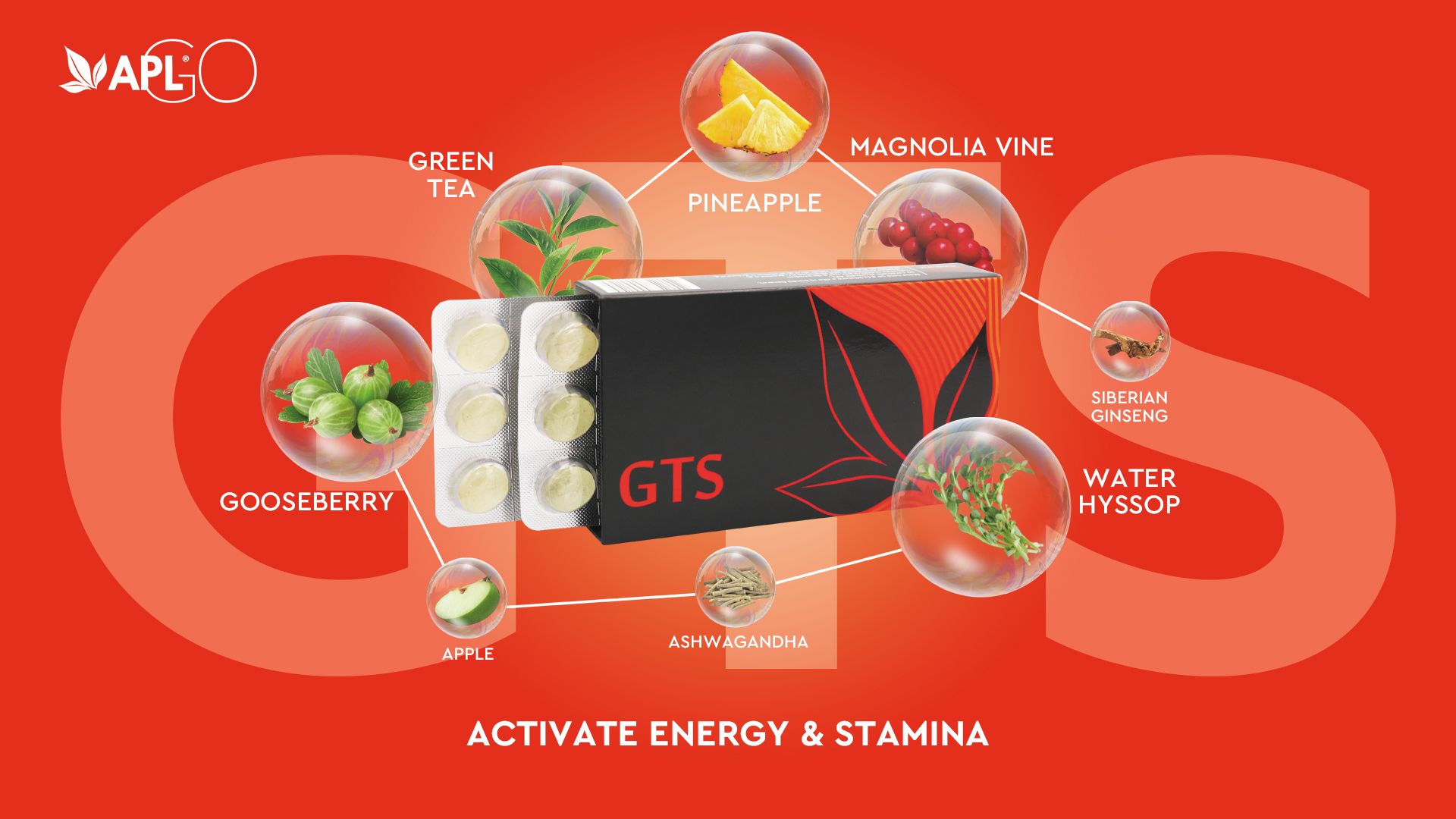
Wake Up to Unstoppable Vitality with GTS
Experience a surge of energy and enhanced stamina with GTS, APLGO's revolutionary wellness product. This delicious pineapple-flavored lozenge is packed with all-natural ingredients like Green Tea, Siberian Ginseng, and Ashwagandha, all delivered through our innovative Acumullit SA® technology for rapid absorption. GTS supports your body's natural metabolic balance, boosts physical and mental endurance, and aids in mood support, giving you the fuel you need to conquer your day.