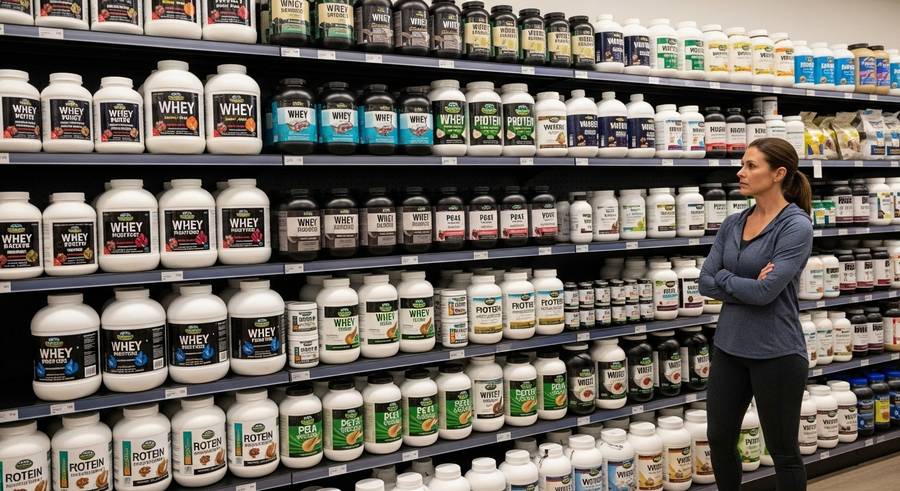
Protein powders have become a ubiquitous supplement in the fitness and health industries, often touted as a convenient way to boost protein intake. This article will explore the efficacy of two popular types, whey and pea protein, examining their benefits, drawbacks, and suitability for different individuals.
What is Protein and Why is it Important?
Protein is a macronutrient essential for numerous bodily functions. It serves as the building block for muscles, bones, skin, and hair. Proteins are also crucial for producing enzymes, hormones, and other vital chemicals that regulate bodily processes. Active individuals, athletes, and those looking to manage their weight often increase their protein intake to support muscle repair, growth, and satiety.
Whey Protein
Whey protein is derived from milk during the cheese-making process. It is a complete protein, meaning it contains all nine essential amino acids that the body cannot produce on its own.
Positives of Whey Protein
- Fast Absorption: Whey protein is rapidly digested and absorbed, making it an excellent choice for post-workout recovery to kickstart muscle protein synthesis.
- Rich in BCAAs: It is particularly high in branched-chain amino acids (BCAAs), especially leucine, which plays a significant role in muscle growth and repair.
- Versatility: Available in various forms like concentrate, isolate, and hydrolysate, offering different protein percentages and absorption rates.
- Extensive Research: Whey protein has been extensively studied, with a large body of scientific evidence supporting its efficacy for muscle building, recovery, and overall health.
Negatives of Whey Protein
- Lactose Intolerance: Individuals with lactose intolerance may experience digestive discomfort due to the presence of lactose in some whey protein concentrates. Whey isolate and hydrolysate have lower lactose content.
- Allergies: Those with dairy allergies should avoid whey protein.
- Not Vegan: As a dairy product, it is not suitable for vegans or vegetarians.
Who Should Take Whey Protein and Why?
Whey protein is generally recommended for individuals looking to:
- Enhance muscle growth and strength.
- Improve post-exercise recovery.
- Increase satiety and aid in weight management.
- Boost overall protein intake, especially if dietary sources are insufficient.
Pea Protein
Pea protein is a plant-based protein powder derived from yellow split peas. It is a popular alternative for vegans, vegetarians, and individuals with dairy sensitivities.
Positives of Pea Protein
- Hypoallergenic: Pea protein is generally considered hypoallergenic, making it suitable for those with dairy, soy, or gluten sensitivities.
- Good Amino Acid Profile: While not as complete as whey on its own, pea protein contains a good profile of essential amino acids, including a significant amount of BCAAs. When combined with other plant proteins, it can form a complete amino acid profile.
- Digestibility: Many users find pea protein to be easily digestible.
- Vegan and Vegetarian Friendly: It aligns with plant-based dietary choices.
Negatives of Pea Protein
- Lower Methionine: Pea protein is naturally lower in the essential amino acid methionine compared to whey protein. This can be a concern if pea protein is the sole source of protein.
- Absorption Rate: While good, its absorption rate may be slightly slower than that of whey protein.
- Taste and Texture: Some individuals find the taste and texture of pea protein to be less palatable than whey, though this has improved with product development.
Who Should Take Pea Protein and Why?
Pea protein is a suitable choice for individuals who:
- Follow a vegan or vegetarian diet.
- Have dairy allergies or lactose intolerance.
- Are seeking a plant-based protein source for muscle support and recovery.
- Are looking for a hypoallergenic protein supplement.
Understanding Other Ingredients and Potential Concerns
When choosing a protein powder, the primary ingredient (whey or pea) is important, but other ingredients can significantly impact its overall healthfulness and efficacy.
Beneficial Additives
- Digestive Enzymes: Enzymes like bromelain or papain can aid in protein breakdown and absorption, reducing digestive discomfort, especially for those sensitive to protein powders.
- Probiotics: These beneficial bacteria can support gut health, which is crucial for nutrient absorption and overall well-being.
- Creatine Monohydrate: A well-researched supplement known to enhance strength, power, and muscle mass. It is often found in post-workout or mass-building formulas.
- Vitamins and Minerals: Some protein powders are fortified with essential vitamins and minerals to offer a more comprehensive nutritional profile.
- Fiber: Soluble fibers can contribute to satiety and digestive health.
Ingredients to Watch Out For
- Artificial Sweeteners: Ingredients like aspartame, sucralose, and saccharin are common but some individuals prefer to avoid them due to potential health concerns or sensitivities. Natural sweeteners like stevia or monk fruit are often preferred alternatives.
- Artificial Colors and Flavors: These offer no nutritional value and can be a concern for those sensitive to additives. Opting for products with natural flavorings and colors is generally a healthier choice.
- Excessive Added Sugars: While a small amount of sugar can improve taste and aid in glycogen replenishment post-exercise, excessive amounts can contribute to unwanted calorie intake and negatively impact health.
- Fillers and Thickeners: Some products may contain excessive fillers or thickeners like maltodextrin in large quantities, which can dilute the protein content and may cause digestive upset in some individuals.
- Heavy Metals and Contaminants: While not an additive, it's crucial to choose reputable brands that test their products for heavy metals and other contaminants, as some protein powders have been found to contain them.
Is One Better Than the Other?
The "better" protein powder depends on individual needs, dietary preferences, and health goals.
- For rapid post-workout recovery and maximum muscle protein synthesis, whey protein often has an edge due to its fast absorption and high leucine content.
- For vegans, vegetarians, or those with allergies, pea protein is the superior choice, offering a valuable plant-based protein source.
Many experts recommend using a blend of proteins or ensuring a diverse diet to obtain a full spectrum of amino acids. If relying solely on pea protein, consider pairing it with other plant-based proteins (like rice protein) to achieve a complete amino acid profile. When selecting any protein powder, carefully reviewing the ingredient list for beneficial additives and avoiding those with unnecessary or potentially unhealthy components is key to making an informed choice.
PubMed Studies on Protein Powders
Here are links to studies found on PubMed related to protein powders:
The bottom line, Protein powders, at least the good ones, can be very expensive. There are pros and cons to each, depending on where its sourced, the quality, what other ingredients are included, as well as any harmful ingredients that you should take caution with.
Back to table of contents