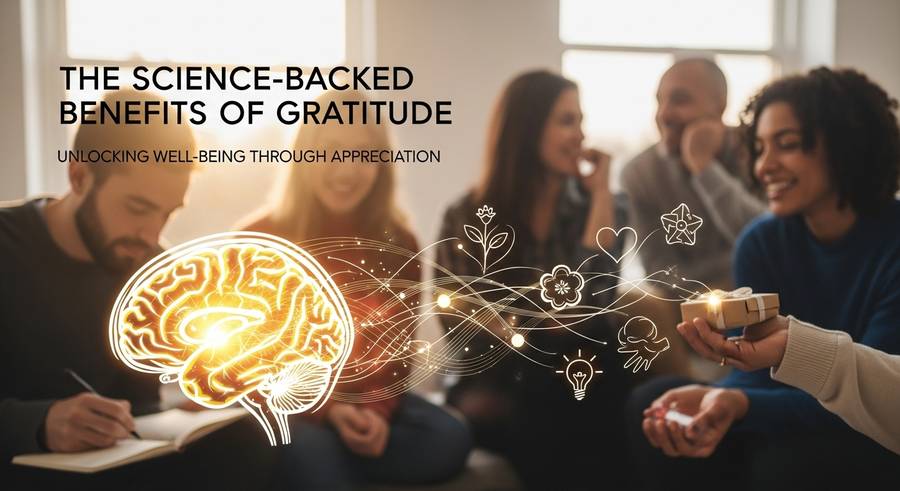
In a world that is often filled with stress and negativity, the practice of gratitude emerges as a beacon of hope. It’s not just a feel-good notion; science has shown that cultivating gratitude can lead to a multitude of physical, mental, and emotional benefits. In this article, we will explore the profound effects of gratitude, backed by research, and provide practical tips on how to integrate this powerful practice into your daily life.
What is Gratitude?
Gratitude is the quality of being thankful; a readiness to show appreciation for and to return kindness. It's not just a fleeting feeling but a conscious acknowledgment of the good things in one's life, both big and small.
Understanding Gratitude: More Than Just a Word
Gratitude is more than a simple "thank you." It encompasses an appreciation for what we have, recognizing the positive aspects of our lives, and acknowledging the kindness of others. Psychologists define gratitude as a complex emotion that involves recognizing the goodness in our lives and understanding that the source of this goodness lies at least partially outside ourselves.
Psychological Benefits
Research consistently shows that practicing gratitude can significantly improve mental health.
Mental and Emotional Well-Being
The benefits of gratitude extend deeply into our mental and emotional realms. A plethora of research has demonstrated that gratitude can significantly reduce feelings of depression and anxiety. Those who regularly express gratitude are more likely to experience positive emotions, develop a greater sense of belonging, and foster resilience in the face of adversity.
For instance, a study published in the journal Journal of Happiness Studies found that individuals who practiced gratitude regularly reported higher levels of life satisfaction and emotional well-being. By focusing on what we have rather than what we lack, we can shift our mindset from scarcity to abundance, which fosters a more positive outlook on life.
Moreover, gratitude has a powerful impact on our relationships. When we express appreciation for others, we strengthen our connections and build trust. Expressing gratitude not only enhances our social bonds but also encourages reciprocity, creating a supportive network that contributes to our happiness.
Reduced Stress and Anxiety
Expressing gratitude has been linked to lower levels of cortisol, the stress hormone. By focusing on what you're thankful for, you can shift your perspective away from stressors and promote a sense of calm.
Improved Mood and Happiness
Gratitude is a powerful antidote to negative emotions. Studies have found that individuals who regularly practice gratitude report higher levels of positive emotions, optimism, and overall life satisfaction.
Enhanced Resilience
When faced with adversity, grateful individuals tend to cope more effectively. Their ability to find the silver lining and appreciate what they still have helps them bounce back from challenges.
Physical Health Benefits
The positive impact of gratitude extends beyond the mind to the body.
The Physical Benefits of Gratitude
Gratitude does wonders for our physical health, affecting everything from our sleep patterns to our immune system. Studies have shown that individuals who practice gratitude tend to experience fewer ailments, report feeling healthier, and even engage in more exercise than those who do not.
Buy vitamins and supplements
Better Sleep
A grateful mindset before bed can lead to improved sleep quality. Focusing on positive thoughts can quiet the mind, making it easier to fall asleep and stay asleep.
Stronger Immune System
Some research suggests that gratitude can have a positive effect on the immune system, though more studies are needed in this area.
Increased Motivation for Healthy Habits
When you appreciate your body and your health, you are more likely to engage in behaviors that support them, such as exercising and eating well.
Social Benefits
Gratitude also plays a crucial role in fostering strong relationships.
Stronger Relationships
Expressing gratitude towards others strengthens social bonds and encourages reciprocal kindness. It makes people feel valued and appreciated.
Increased Prosocial Behavior
Grateful people are more likely to help others, engage in acts of kindness, and contribute positively to their communities.
How to Cultivate Gratitude
Incorporating gratitude into your daily life doesn't require grand gestures.
Gratitude Journal
Writing down things you are grateful for each day is a simple yet effective practice.
Incorporate gratitude into your daily routine by writing down three things you’re grateful for each morning to set a positive tone for your day.
Incorporate gratitude at night in the Journal for things you'r grateful for before bed.
A study published in the journal Psychosomatic Medicine, by Emmons and McCullough (2003), found that individuals who kept a weekly gratitude journal experienced fewer physical symptoms, such as headaches and nausea, compared to those who wrote about daily hassles. While the initial prompt mentions Psychosomatic Medicine, the specific findings cited are from that 2003 study, which is a key piece of research on the topic. This study and others suggest a link between gratitude practices and better health outcomes, including reduced stress and improved mood.
Key findings from the study
Fewer physical symptoms: Participants who kept weekly gratitude journals reported fewer physical complaints like headaches, sore muscles, and nausea.
Improved well-being: They also felt better about their lives as a whole and were more optimistic about the week ahead.
Comparison group: These benefits were observed in comparison to a group that recorded daily hassles or neutral life events.
Broader research on gratitude and health
Reduced stress and negative emotions: Practicing gratitude can lower stress hormone (cortisol) levels and reduce feelings of anxiety and depression.
Improved sleep: Some research indicates that gratitude journaling is linked to better sleep quality.
Better heart health: Studies have shown that gratitude can improve heart health by lowering blood pressure and regulating heart rate.
Increased exercise: People who practice gratitude tend to exercise more regularly.
Greater resilience: Gratitude is associated with better resilience to emotional setbacks and negative experiences.
When we express gratitude, our brain releases dopamine and serotonin—two neurotransmitters associated with feelings of happiness and well-being. This chemical response not only lifts our mood but also encourages us to continue engaging in positive behaviors, creating a virtuous cycle of appreciation and joy.
Expressing Thanks
Verbally or in writing, taking the time to thank others for their contributions can have a profound impact.
Mindful Appreciation
Taking a moment to pause and appreciate the present, whether it's a beautiful sunset or a warm cup of tea, can foster a sense of gratitude.
Gratitude is a powerful tool for enhancing overall well-being. By consciously cultivating a thankful heart, you can unlock a wealth of psychological, physical, and social benefits.
Buy vitamins and supplements
Mental and Emotional Well-Being
The benefits of gratitude extend deeply into our mental and emotional realms. A plethora of research has demonstrated that gratitude can significantly reduce feelings of depression and anxiety. Those who regularly express gratitude are more likely to experience positive emotions, develop a greater sense of belonging, and foster resilience in the face of adversity.
For instance, a study published in the journal Journal of Happiness Studies found that individuals who practiced gratitude regularly reported higher levels of life satisfaction and emotional well-being. By focusing on what we have rather than what we lack, we can shift our mindset from scarcity to abundance, which fosters a more positive outlook on life.
Moreover, gratitude has a powerful impact on our relationships. When we express appreciation for others, we strengthen our connections and build trust. Expressing gratitude not only enhances our social bonds but also encourages reciprocity, creating a supportive network that contributes to our happiness.
Practical Ways to Cultivate Gratitude
Now that we understand the science behind gratitude, the question becomes: how can we integrate this practice into our daily lives? Here are several practical strategies to help you cultivate gratitude regularly:
1. Keep a Gratitude Journal
Designate a notebook where you can jot down three to five things you are grateful for each day. This simple act encourages you to focus on the positive aspects of your life, even during challenging times.
2. Practice Mindfulness
Incorporate mindfulness practices into your routine to enhance your gratitude. By being present in the moment, you can better appreciate the experiences and relationships that enrich your life.
3. Express Your Thanks
Take time to express your gratitude to others. Whether it’s a heartfelt letter, a simple text, or a verbal acknowledgment, letting others know how much you appreciate them strengthens your relationships and boosts your own happiness.
4. Create a Gratitude Jar
Set up a gratitude jar in your home. Write down moments of gratitude on slips of paper and add them to the jar. At the end of the month or year, take time to read through them and reflect on the abundance in your life.
The Ripple Effect of Gratitude
Gratitude is not a solitary practice; its effects ripple outward, impacting those around us. When we express gratitude, we inspire others to do the same, creating a culture of appreciation and positivity. This social contagion of gratitude can enhance community bonds and foster a supportive environment.
In a study conducted by researchers at the University of California, participants who expressed gratitude not only reported feeling happier but also influenced the happiness of their friends and family. This demonstrates the profound interconnectedness of our emotional states and the way gratitude can enhance collective well-being.
"Gratitude turns what we have into enough." — Aesop
Overcoming Challenges to Gratitude
Despite its many benefits, practicing gratitude can sometimes be challenging. Life's stresses and difficulties can overshadow our ability to appreciate the good. However, it’s essential to remember that gratitude is a skill that can be cultivated over time.
When faced with adversity, try to focus on the lessons learned or the support received from others. Shifting your perspective in this way can help you find gratitude even in the most challenging circumstances.
Additionally, remember that gratitude doesn’t negate feelings of sadness or frustration. It’s okay to feel a range of emotions; gratitude can coexist with these feelings, offering a pathway to healing and resilience.
Conclusion: Embrace the Power of Gratitude
Incorporating gratitude into our daily lives is one of the simplest yet most effective ways to enhance our overall well-being. The science supports it: from boosting physical health to improving mental and emotional well-being, gratitude has far-reaching benefits that can transform our lives.
Buy vitamins and supplements
As we navigate the complexities of modern life, let us embrace the power of gratitude. By fostering appreciation for the people, experiences, and simple joys around us, we can cultivate a more fulfilling and balanced existence. So, take a moment today to reflect on what you are grateful for, and watch as it inspires a brighter, more positive outlook on life.
Contact me
Table of Contents
About me
ADVERTISEMENT
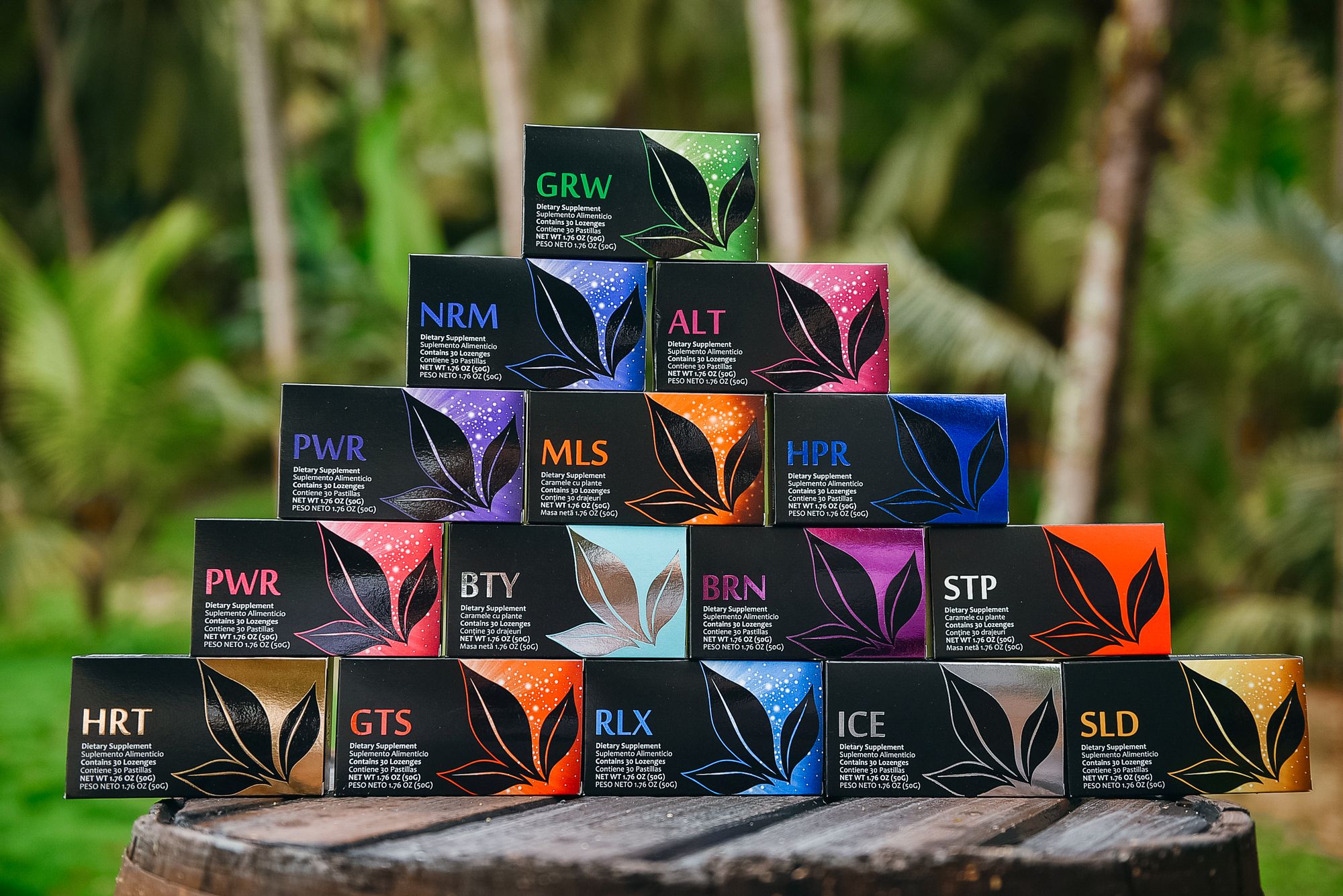
Unlock Your Wellness with APLGO Acumullit Drops!
Discover the future of natural wellness with APLGO's Acumullit lozenge drops. Our exclusive Acumullit SA® technology uses a state-of-the-art extraction process to activate whole food botanicals, isolating highly bioavailable, negatively charged nano-elements. These advanced nutrients are infused into convenient and delicious caramel drops, designed to support your body's natural functions and enhance overall vitality. Experience the power of premium botanicals for a healthier you.