I recently decided to have my DNA tested for medical reasons. I wanted to know what exactly is going on inside of my body. WOW! what an eye opener this has been! One of the things that came back is that like a very high percentage of people, my B3 is critically low. This surprised me because as many of you know we have property in Alaska and fish up there during the summer, so we eat a lot of Salmon. Finding out that my B3 levels are not just low, they are at 4% and need to be above 8% was a huge wake up call! You can eat healthy and still not be getting what your body needs! Let's dive into the science behind B3, (niacin) why its important and what you should do to stay in the know!
What is Vitamin B3?
Vitamin B3, also known as niacin, is an essential nutrient that plays a crucial role in numerous bodily functions. It's a water-soluble vitamin, meaning your body doesn't store it, so regular intake is necessary. Niacin is vital for converting food into energy, supporting the nervous system, and keeping your skin healthy. It also contributes to healthy digestion and can help lower cholesterol levels.
The Critically Low American Niacin Conundrum
It's challenging to pinpoint an exact percentage of Americans who are critically low in B3, as specific population-wide studies focusing on critical deficiency are not widely published. However, studies indicate that a significant portion of the population may not be meeting optimal intake levels. For instance, research published in the Journal of Nutrition has explored dietary niacin intake across different demographics, suggesting areas where intake might be suboptimal. While not indicative of critical deficiency, these findings highlight the importance of ensuring adequate B3 consumption.
Why Healthy B3 Levels Matter
Maintaining healthy levels of vitamin B3 is fundamental for overall well-being. Its role in energy metabolism means that insufficient niacin can lead to fatigue and a general lack of vitality. Beyond energy, B3 is a cornerstone of neurological function. Studies have explored the link between niacin and brain health, underscoring its importance for cognitive function.
1. Niacin’s Role in Neurological Disorders
A 2023 review in Neurotherapeutics explored niacin’s therapeutic potential across several brain-related conditions:
• Multiple Sclerosis (MS): Niacin promotes phagocytosis of myelin debris, aiding remyelination in animal models.
• Alzheimer’s Disease: It may help clear amyloid beta plaques via immune modulation.
• Parkinson’s Disease & ALS: Investigated for its anti-inflammatory and neuroprotective effects.
• Mechanism: Niacin engages the Hcar2 receptor, influencing immune responses and cholesterol efflux from brain cells.
🧬 2. Niacin and Glioblastoma (Brain Tumor)
Researchers at the University of Calgary launched a clinical trial to test niacin as a complementary treatment for glioblastoma:
• Goal: Boost immune response and enhance standard therapies.
• Phase I–II Trial: Focuses on safety, dosage, and potential to slow tumor growth.
• Why It Matters: Glioblastoma is notoriously aggressive, and niacin’s immune-modulating properties offer a novel angle.
🧩 3. Cognitive Function and Niacin
While not as clinically rigorous, wellness-focused sources highlight niacin’s role in:
• Neurotransmitter production
• Memory and problem-solving
• Mental clarity and focus
These effects are linked to niacin’s role in NAD+ synthesis, which fuels brain cell energy and repair.
Furthermore, niacin is a key player in maintaining healthy skin. It helps the skin's barrier function, which is crucial for hydration and protection against environmental stressors. The impact of niacin on skin health has been a subject of various dermatological studies.
In the realm of cardiovascular health, niacin has been recognized for its ability to influence cholesterol levels. Research, including clinical trials documented in medical literature, has demonstrated niacin's potential to affect lipid profiles.
Ensuring You Get Your Niacin Fix
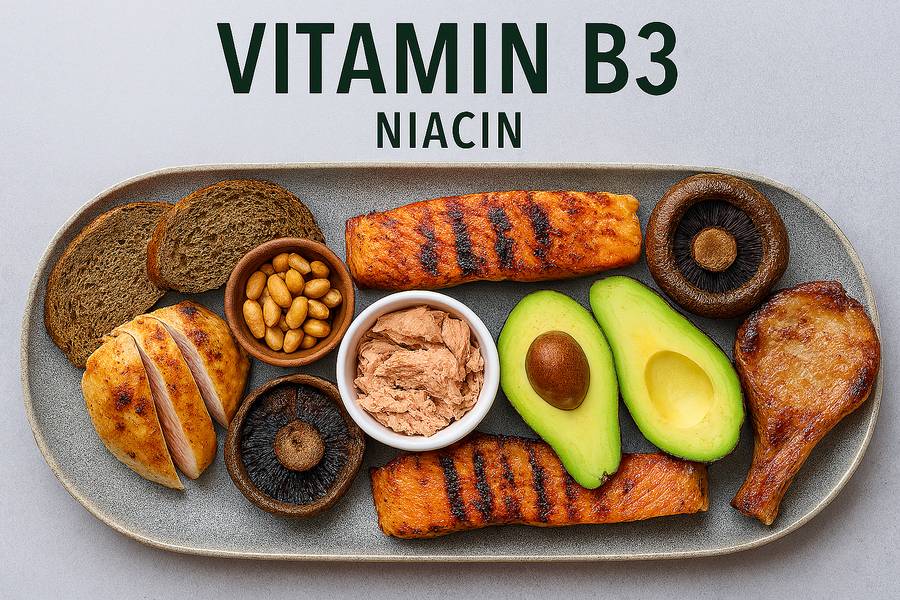
Fortunately, incorporating sufficient niacin into your diet is achievable if you eat the right foods and track them! It's found in a variety of foods, including lean meats like chicken and turkey, fish (especially tuna and salmon), whole grains, legumes, nuts, and seeds. See the graph below for sources of niacin, with the exception of "fortified cereals and breads" as I like to stick with the healthier foods
🥩 Top Animal-Based Sources
These are especially rich in bioavailable niacin:
Beef Liver (3 oz cooked) 14.7mg of niacin This is 91% of RDA for men & 105% for women
Chicken breast (3oz cooked) 11.4 mg of niacin. This is 71-81% of RDA
Canned light Tuna (5.8oz) 21.9 mg of niacin. This is 137% of RDA
Sockeye Salmon (half a fillet) 15.7 mg of niacin. This is 98% of RDA
Pork Chop (6.6 oz cooked) 15.3 mg of niacin. This is 96% of RDA
🥑 Top Plant-Based Sources
Great for vegetarians and vegans:
Avocado 3.5mg per fruit
Portobello mushrooms 3.9mg per cup
Peanuts (1ox dry roasted) 3.8 mg
Can You Overdose on Niacin?
While niacin is essential, it is possible to consume too much, particularly through supplements. The most common side effect of too much niacin is "niacin flush," which is a temporary reddening, itching, and tingling of the skin. This occurs because niacin dilates blood vessels. High doses, especially over extended periods, can lead to more serious issues. Symptoms of overdose can include:
- Severe flushing and itching
- Nausea and vomiting
- Liver damage
- Increased blood sugar levels
- Gout
- Stomach ulcers
If you're concerned about your niacin intake, consulting with a healthcare professional or a registered dietitian is advisable. They can assess your dietary habits and recommend appropriate strategies, which might include dietary adjustments or, in some cases, supplementation. Prioritizing your B3 levels is a simple yet powerful step towards supporting your body's complex systems and promoting long-term health.
Because we already eat a lot of fish, and my levels are still low. I also had to look at my MTHFR and MTRR genes (hence the DNA TEST!) a blood test can only tell you if your levels are good, it cannot tell you if your body can absorb them or not. A high % of people also have the MTHFR and MTRR gene expression, so just taking any old Niacin supplement may not help! I chose to take a supplement that is methylated thru fermentation (naturally). I also remember as a teenager that my mother had to get Vitamin B shots. This should have been a wake up call to me, because that can be an inherited trait!
If you cannot get your DNA tested, I also take an all natural, organic product that bypasses the digestive system so absorption is immediate. Its a wonderful product as well. and affordable!
In closing, I STRONGLY suggest that you get your Vitamin B (and all vitamin levels) checked. Also, if you can, find out if your parents had issues, as it may be inherited, hence your DNA MTHFR and MTRR might be activated and you will need a methylated product! I will keep you appraised of my journey, and I hope that you all with check with whoever handles your healthcare and get your levels checked!
Back to table of contents