Introduction
Creatine, a naturally occurring compound, is widely recognized for its benefits in muscle growth and athletic performance. However, emerging research suggests that creatine's influence extends beyond the physical realm, impacting cognitive function and brain health. This article explores how creatine may affect the brain and its potential implications for mental acuity.
How Creatine Works in the Brain
The brain, like muscles, requires energy to function. Adenosine triphosphate (ATP) is the primary energy currency of cells, and creatine plays a crucial role in its regeneration within the brain. By increasing phosphocreatine stores, creatine helps to rapidly replenish ATP levels, particularly during periods of high energy demand. This enhanced energy availability can support various brain functions.
Cognitive Benefits of Creatine
Studies have indicated that creatine supplementation may lead to several cognitive improvements. These include:
- Enhanced Memory: Creatine's role in energy metabolism might improve the brain's ability to store and recall information, potentially benefiting short-term and long-term memory.
- Improved Reasoning and Problem-Solving: By ensuring a steady supply of energy to neurons, creatine could support more complex cognitive processes like reasoning and problem-solving.
- Reduced Mental Fatigue: In situations requiring sustained mental effort, creatine may help to combat fatigue, allowing for longer periods of focused cognitive activity.
- Neuroprotection: Some research suggests that creatine may have neuroprotective properties, potentially shielding brain cells from damage and supporting overall brain health.
Factors Influencing Creatine's Effects
The extent to which creatine impacts cognitive function can vary based on several factors:
- Dosage: The amount of creatine taken can influence its effectiveness. Recommended dosages for cognitive benefits are often lower than those used for muscle building.
- Individual Variation: Responses to creatine can differ between individuals due to genetics, diet, and overall health.
- Dietary Intake: People with lower baseline creatine levels from their diet may experience more significant benefits from supplementation.
- Cognitive Load: The benefits of creatine may be more pronounced during tasks that are cognitively demanding.
Research and Future Directions
While the current research on creatine's cognitive benefits is promising, more extensive studies are needed to fully understand its mechanisms and long-term effects. Future research may explore specific populations, such as older adults or individuals with certain neurological conditions, to assess the therapeutic potential of creatine.
Conclusion
Creatine is not just for athletes; it appears to offer tangible benefits for brain health and cognitive function. By supporting brain energy metabolism, creatine may enhance memory, reasoning, and resilience against mental fatigue. As research continues to unfold, creatine may emerge as a valuable tool for optimizing cognitive performance and supporting long-term neurological well-being. For more information on creatine, consult a healthcare professional or a registered dietitian.
Contact me
About me
Botanical Products Reviewed by Nutritional Physiologist Mary Esther Gilbert/Insights from the BusinessforHome Press Release
Know anyone that can benefit from this article, please share
Please Rate this Article
Back to Table of Contents
ADVERTISEMENT
Unlock Your Brain's Potential Naturally
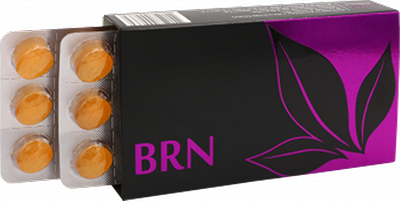
BRN by APLGO is your natural solution for enhanced cognitive function and mental well-being. This unique Acumullit SA® lozenge drop is formulated with a powerful blend of Green Tea, Ginkgo, Ginseng, Ashwagandha, and more, all designed to support focus, concentration, and mental alertness. Experience improved everyday learning and thinking while finding greater mental stress management and relief from anxious and sad feelings.