Many of us reach for our toothbrush's multiple times a day without a second thought. They are a ubiquitous part of our personal hygiene arsenal. However, growing research suggests that the common plastic toothbrush, and particularly the presence of certain chemicals like PFAS, may pose significant health risks. Understanding these dangers and exploring safer alternatives is crucial for our well-being.
The Problem with Plastic Toothbrushes
Traditional toothbrushes are predominantly made from plastic, a material with its own set of environmental and health concerns. While the primary issue often discussed is plastic waste, the chemical composition of these plastics and the additives used can also be problematic.
PFAS A Growing Concern
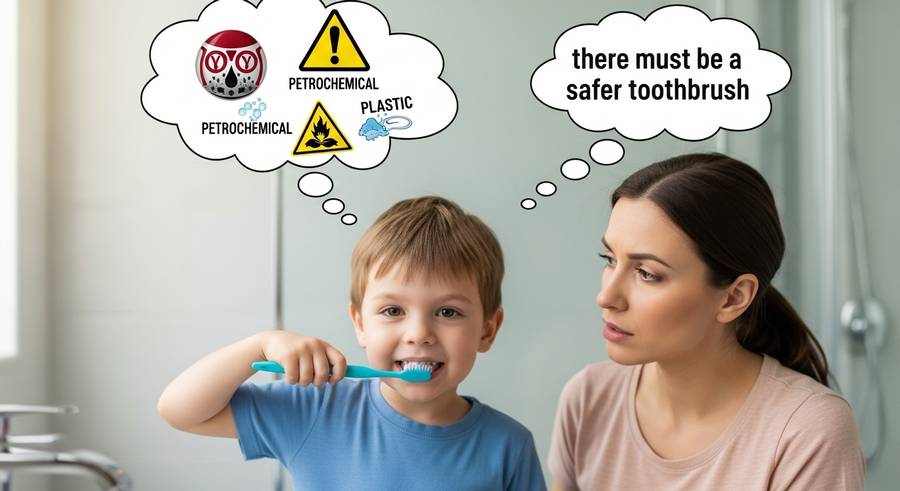
Per- and polyfluoroalkyl substances, commonly known as PFAS, are a group of man-made chemicals found in a wide variety of products, including some toothbrushes. PFAS are known for their water and stain-repellent properties, which is why they've been incorporated into various consumer goods. However, they are also incredibly persistent in the environment and the human body, earning them the nickname "forever chemicals."
The Petrochemical Connection
It's important to recognize that PFAS, like many other plastics and synthetic chemicals, have their roots in the crude oil industry. The production of these "forever chemicals" is intrinsically linked to the petrochemical sector. This connection highlights a broader issue of our reliance on fossil fuels for everyday products, with consequences that extend beyond climate change to encompass potential health risks associated with the chemicals derived from these resources.
Emerging Research and Health Implications
Recent studies are shedding light on the potential health impacts of exposure to these chemicals.
You’re Ingesting Plastic Every Time You Brush
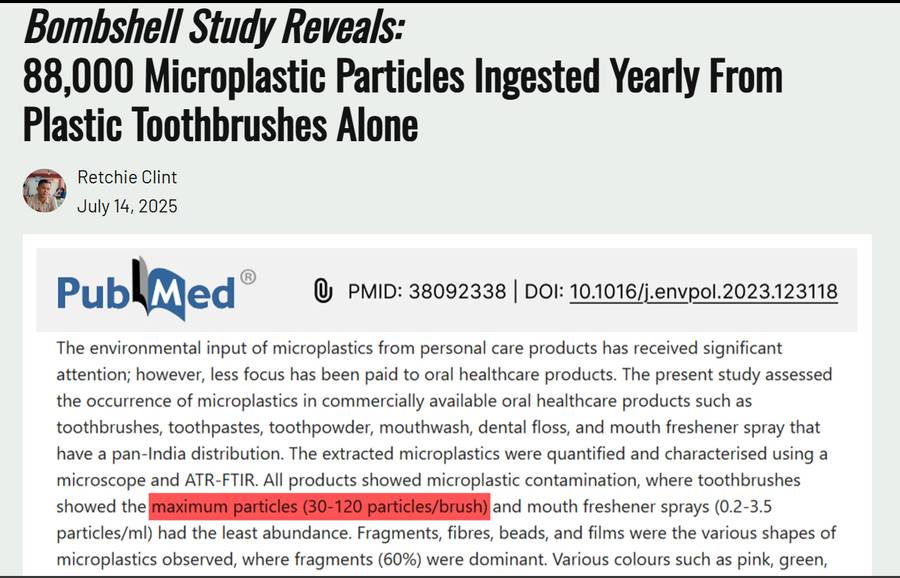
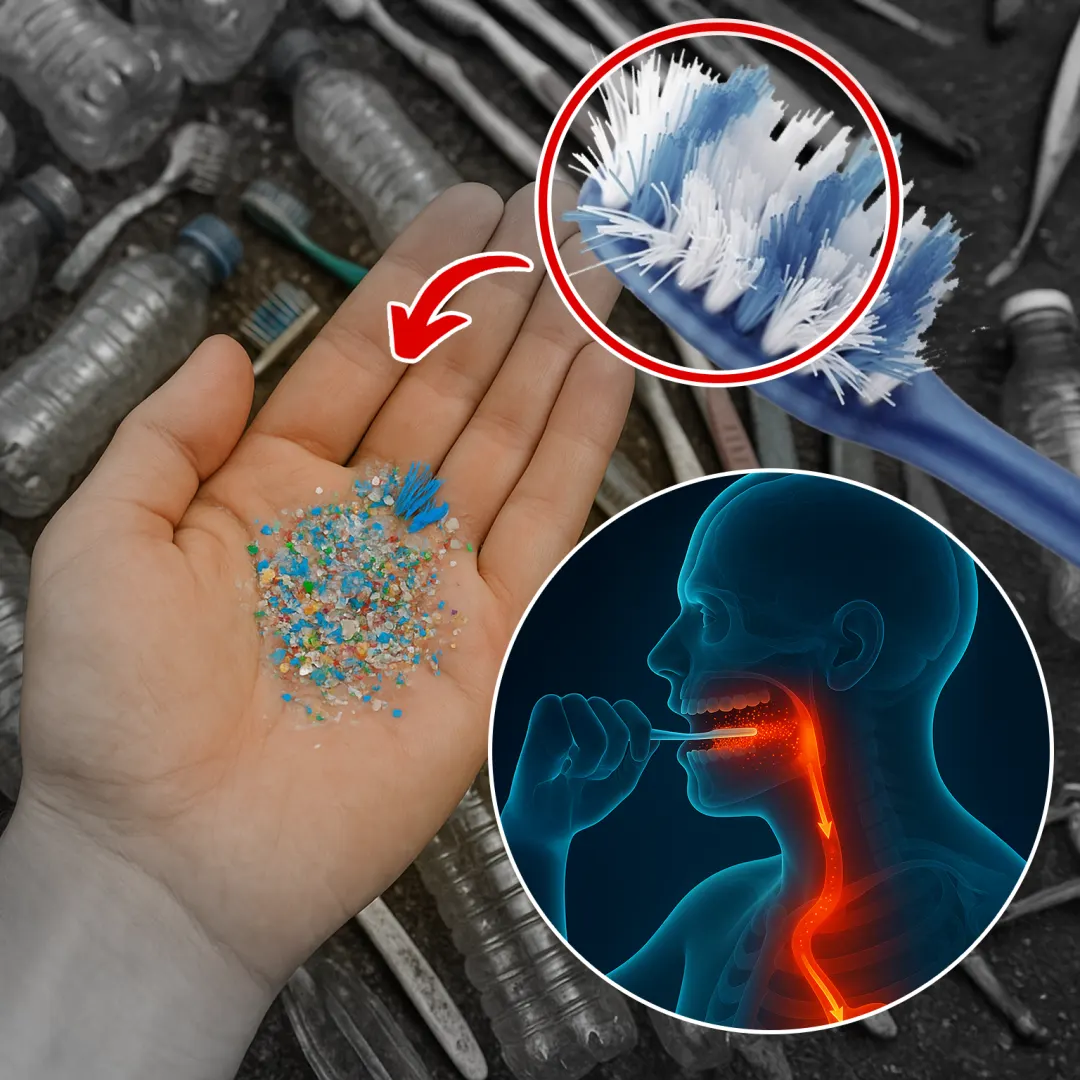
A 2023 PubMed study (ID: 38092338) uncovered a disturbing truth: every time you brush with a plastic toothbrush, you're releasing up to 120 microplastic particles into your mouth.
That adds up to over 88,000 plastic fragments a year — and those particles don’t just stay in your mouth.
They enter your bloodstream, travel through your body, and accumulate in your organs and cells.
And the worst part? Most people have no idea this is happening.
-
PubMed Study 38092338: This study, and others like it, are investigating the presence of PFAS in everyday products and their potential links to various health issues. Research has begun to associate PFAS exposure with a range of health concerns, including impacts on the immune system, hormonal disruptions, increased cholesterol levels, and even certain types of cancer. While direct links to toothbrushes are still an area of active research, the widespread use of PFAS in consumer goods means that even seemingly innocuous items can contribute to our overall exposure.
The Journey of Microplastics Within You
From Inadvertent Ingestion to Cellular Disruption
Microplastics, those minuscule fragments of plastic, are finding their way into our bodies in ways we may not even realize. Research indicates that we inadvertently swallow them, absorb them through the delicate tissues of our gums and mouth, and they can even make their way into our bloodstream. Once inside, these particles embark on a journey throughout our system, embedding themselves in vital organs, interfering with normal biological functions, and initiating detrimental reactions at a cellular level.
Significant Health Consequences
The presence of microplastics within the body is associated with a range of concerning health effects:
• Hormonal Imbalance and Reproductive Concerns: Microplastics often act as carriers for endocrine-disrupting chemicals, such as BPA and phthalates. These chemicals can interfere with your body's natural hormone balance, potentially leading to decreased sperm quality, reduced fertility, and other reproductive health challenges.
• Inflammation and Immune System Strain: Your body can perceive microplastics as foreign entities, prompting an immune response that can lead to chronic inflammation. Over time, this persistent inflammation can weaken your immune system's ability to function effectively.
• Accumulation of Toxins: Microplastics possess a characteristic that allows them to absorb and concentrate other harmful substances, including heavy metals and pesticides. Once inside your body, they can release these accumulated toxins, further impacting your health.
• Oxidative Stress and Cellular Damage: Prolonged exposure to microplastics has been linked to damage at the cellular level. This can include DNA stress and an increased risk of developing degenerative diseases over time.
The Link to Oral Health Products
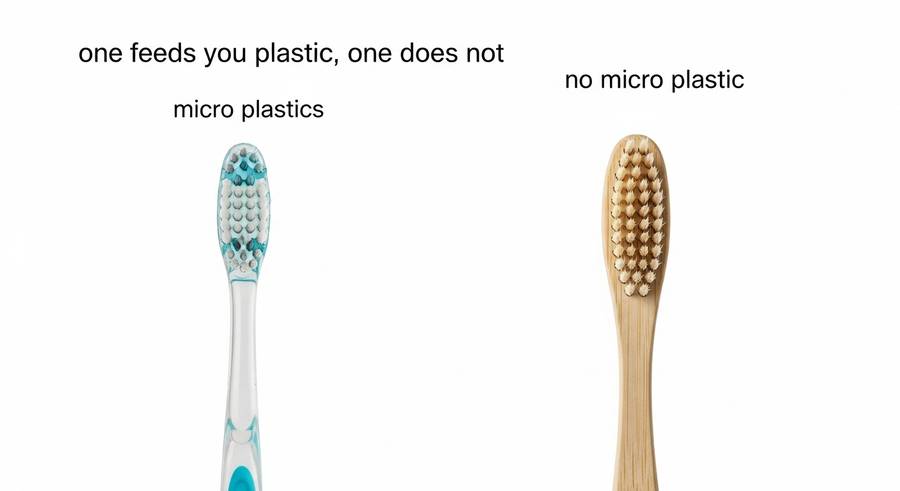
While specific studies detailing PFAS content in all toothbrushes are not readily available in the public domain, the general prevalence of PFAS in plastics and manufacturing processes raises concerns. If PFAS are used in the manufacturing of plastic bristles or handles, there is a potential for leaching into the mouth over time.
Exploring Natural and Safer Alternatives
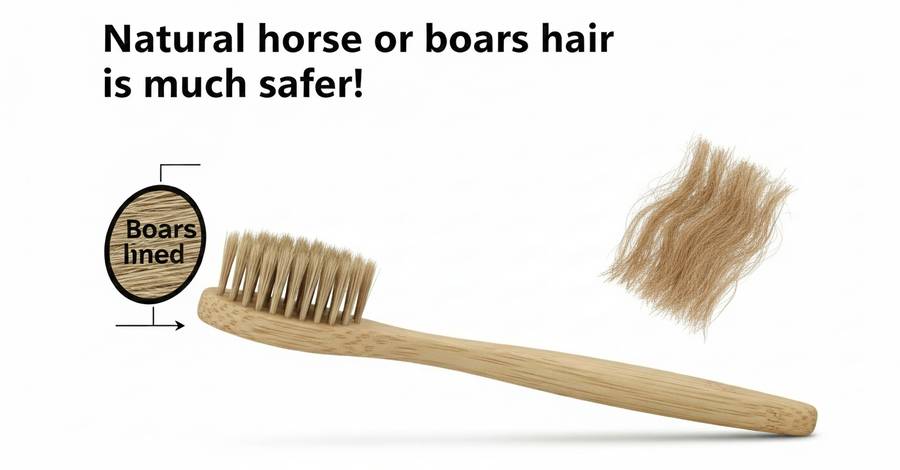
Fortunately, there are alternatives emerging that aim to reduce our reliance on plastics and potentially harmful chemicals. You can look on AMAZON, or even ask your Dentist if they can recommend something safer than plastics. Below are some examples. These are generic links on Amazon.
-
Boar Hair Toothbrushes: These toothbrushes feature bristles made from animal hair, typically boar hair. The natural properties of boar hair have been utilized for centuries. Proponents suggest that boar hair bristles can be effective at cleaning teeth and may offer a gentler brushing experience compared to some synthetic bristles.
-
Horse Hair Toothbrushes: Similar to boar hairbrushes, toothbrushes with horse hair bristles offer another natural bristle option. The efficacy of these brushes is often compared to traditional synthetic bristles, with many users finding them to be comparable in cleaning power.
Efficacy of Natural Bristles
The efficacy of natural bristles like boar or horse hair in cleaning teeth is a key consideration. While synthetic nylon bristles are widely used due to their durability and cost-effectiveness, natural bristles can also effectively remove plaque and food debris. Some users report that natural bristles are softer and less abrasive on gums, which can be beneficial for individuals with sensitive teeth and gums. However, it's important to note that natural bristles may wear out faster than synthetic ones and require careful drying to prevent bacterial growth. Here is one way to make sure your toothbrush stays clean:
Using Hydrogen Peroxide with Natural Bristle Toothbrushes
When it comes to cleaning and disinfecting natural bristle toothbrushes, like those made from boar hair or horsehair, hydrogen peroxide can be a useful tool, but it requires a bit of caution.
Hydrogen peroxide (H₂O₂) is a mild antiseptic that can kill bacteria and viruses. It's commonly used for wound care and as a disinfectant.
How to Use Hydrogen Peroxide with Natural Bristles:
• Dilution is Key: Never use concentrated hydrogen peroxide directly on the bristles. It's best to dilute it with an equal part of water, creating a 1.5% to 3% solution.
• Brief Soaking: Dip the bristles of your natural toothbrush into the diluted hydrogen peroxide solution for a short period, typically 1 to 2 minutes. Avoid prolonged soaking, as this can potentially weaken the natural fibers over time.
• Thorough Rinsing: After soaking, rinse the toothbrush thoroughly with plain water to remove any residual hydrogen peroxide.
• Air Drying: As with any natural bristle toothbrush, it's crucial to let it air dry completely in an upright position, bristles up, to prevent bacterial growth.
Considerations:
• Frequency: While hydrogen peroxide can be effective for a deeper clean, it's not necessarily needed after every use. Regular rinsing with water and proper air drying are usually sufficient for daily maintenance. Consider using a hydrogen peroxide soak perhaps once a week or as needed.
• Material Integrity: While generally safe when diluted and used briefly, very frequent or prolonged exposure to hydrogen peroxide could potentially degrade the natural bristles over an extended period. Monitor the condition of your toothbrush.
In summary, hydrogen peroxide can be safely used to disinfect natural bristle toothbrushes when diluted and used for short durations, followed by thorough rinsing and air drying.
Making an Informed Choice
The increasing awareness around the potential dangers of plastic products and chemicals like PFAS encourages us to make more informed choices about the items we use daily. By exploring alternatives such as boar hair or horsehair toothbrushes, and by being mindful of the materials in our oral care products, we can take proactive steps towards a healthier lifestyle. Consulting with dental professionals can also provide personalized advice on the best oral hygiene practices and products for your individual needs.
Make sure to subscribe for more insights on health and life!
Back to table of contents
Contact me thru email