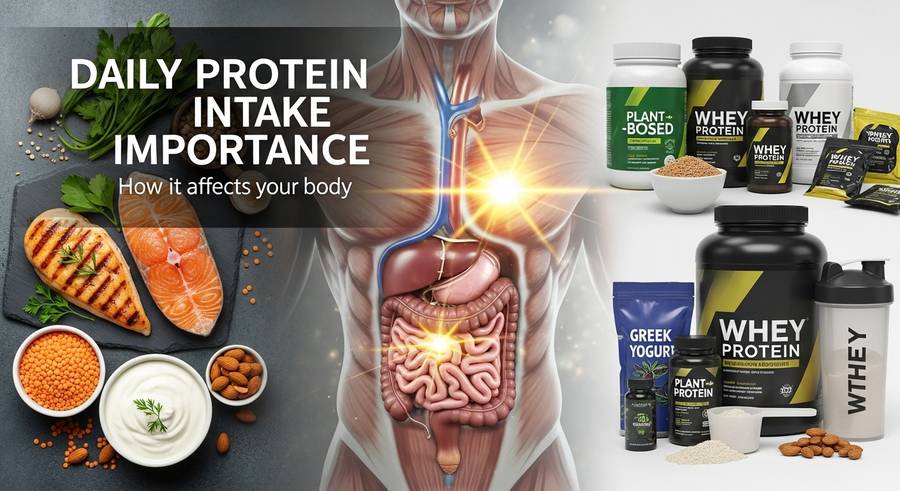
HEALTHY LIVING MADE EASY
Hitting your protein goal every day is crucial for a variety of bodily functions and overall health. Protein is a fundamental macronutrient, meaning your body needs it in large amounts. It's not just about muscle building; protein plays a vital role in numerous physiological processes.
Muscle Growth and Repair
One of the most well-known functions of protein is its role in muscle protein synthesis. This is the process by which your body builds new muscle tissue and repairs damaged muscle fibers. Whether you're an athlete or simply engaging in daily activities, adequate protein intake is essential for maintaining and growing muscle mass. This is particularly important for recovery after exercise.
Satiety and Weight Management
Protein is highly satiating, meaning it helps you feel fuller for longer. This can be a significant advantage for weight management, as it can reduce overall calorie intake by curbing hunger and preventing overeating. Including protein in your meals can help you feel satisfied and make it easier to stick to a healthy eating plan.
Hormone and Enzyme Production
Proteins are essential building blocks for hormones and enzymes that regulate a vast array of bodily functions. Hormones, like insulin, control blood sugar levels, while enzymes are critical for metabolic processes, digestion, and energy production. Without sufficient protein, these vital systems can be compromised.
Immune System Function
Your immune system relies on proteins to produce antibodies and other immune cells that fight off infections and diseases. Consistently meeting your protein needs supports a robust immune response, helping your body defend itself against illness.
Other Essential Roles
Beyond these key areas, protein is also integral to the structure of skin, hair, and nails. It's involved in fluid balance, nutrient transport, and maintaining the pH balance within your body.
How Much Protein Do You Need?
The exact amount of protein an individual needs varies based on factors such as age, sex, activity level, and overall health goals. A general recommendation for most adults is around 0.8 grams of protein per kilogram of body weight. However, individuals who are very active, athletes, or those looking to build muscle may require significantly more, often in the range of 1.2 to 2.2 grams per kilogram of body weight. Consulting with a healthcare professional or a registered dietitian can help you determine your specific protein requirements.
Consistent Intake
While it's important to aim for your protein goal daily, consistency over time is key. Your body can only utilize so much protein at one time, so spreading your intake throughout the day across your meals and snacks is more effective than consuming a very large amount in a single sitting.
Excellent Protein Sources in Food
Dietary Protein Options
When aiming to meet your daily protein goals, focusing on whole, nutrient-dense food sources is the most effective approach. Protein is available in a wide variety of foods, making it achievable to incorporate sufficient amounts into your diet regardless of your preferences or dietary restrictions.
Animal-Based Protein Sources
• Lean Meats: Chicken breast, turkey, lean beef cuts (like sirloin or tenderloin), and pork tenderloin are excellent sources of complete protein. They also provide essential nutrients like iron and zinc.
• Fish and Seafood: Fatty fish such as salmon, mackerel, and sardines are rich in protein and omega-3 fatty acids, which offer cardiovascular benefits. Other good options include tuna, shrimp, and cod.
• Eggs: A highly bioavailable source of protein, eggs also contain essential amino acids and nutrients like choline.
• Dairy Products: Milk, yogurt (especially Greek yogurt), and cheese are significant sources of protein. Dairy also provides calcium, which is important for bone health.
Plant-Based Protein Sources
• Legumes: Beans (black beans, kidney beans, chickpeas), lentils, and peas are protein powerhouses. They are also rich in fiber, which aids digestion and promotes satiety.
• Tofu and Tempeh: Made from soybeans, tofu and tempeh are versatile plant-based proteins that can be used in a multitude of dishes.
• Nuts and Seeds: Almonds, walnuts, peanuts, chia seeds, flaxseeds, and pumpkin seeds offer a good amount of protein along with healthy fats and fiber.
• Quinoa: This ancient grain is unique as it's a complete protein, meaning it contains all nine essential amino acids.
• Edamame: Young soybeans that are a complete protein and a good source of fiber.
Protein Supplements
While whole foods should be the primary source of protein, protein supplements can be a convenient way to boost intake, especially for those with higher protein needs or limited time for meal preparation.
• Whey Protein: Derived from milk, whey protein is rapidly absorbed and is popular for post-workout recovery. It contains all essential amino acids.
• Casein Protein: Also derived from milk, casein is digested more slowly, providing a sustained release of amino acids. It's often taken before bed.
• Plant-Based Protein Powders: These are made from sources like pea, rice, soy, hemp, or a blend of plant proteins. They are a good option for vegetarians, vegans, or those with dairy sensitivities.
• Soy Protein: A complete plant-based protein that is well-absorbed and versatile.
When choosing protein supplements, it's advisable to opt for those with minimal added sugars and artificial ingredients. Reading labels and understanding the protein content per serving is important.
Contact me
Botanical Products Reviewed by Nutritional Physiologist Mary Esther Gilbert
Healthy Living Made Easy
Product Table of Contents
ADVERTISEMENT

Experience the Power of APLGO's Acumullit SA® Enhanced Wellness Drops
Discover a revolutionary approach to well-being with APLGO's Acumullit SA® technology. Our unique process extracts and concentrates the purest essence of whole food botanicals, creating highly absorbable nano-particles that work in harmony with your body's natural negative charge. These delicious lozenge drops are designed to support your body's natural functions, from immune defense and energy levels to cognitive clarity and restful sleep. With a variety of specialized blends like AIR for immunity, BRN for brain health, and GTS for vitality, APLGO offers targeted solutions to help you feel your best, naturally.