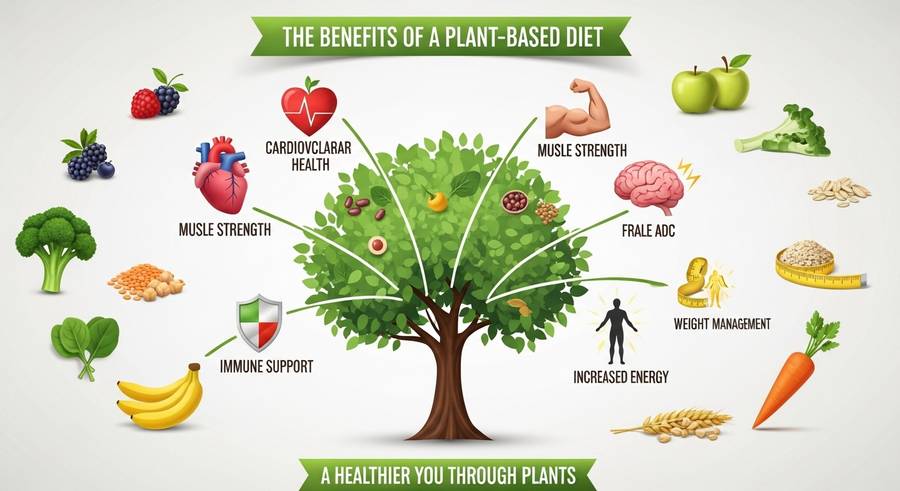
Heart Health
Plant-based diets are rich in fiber, antioxidants, and healthy fats, all of which can contribute to improved cardiovascular health. They are often lower in saturated fat and cholesterol, which can help reduce the risk of heart disease, lower blood pressure, and improve cholesterol levels.
Weight Management
The high fiber content in plant-based foods can promote feelings of fullness, making it easier to manage weight. These diets are often naturally lower in calories and can be a sustainable way to achieve and maintain a healthy weight.
Reduced Risk of Chronic Diseases
Studies have shown that individuals following plant-based diets may have a lower risk of developing type 2 diabetes, certain types of cancer, and other chronic conditions. The abundance of vitamins, minerals, and phytonutrients in plant foods plays a significant role in protecting the body.
Improved Gut Health
The fiber found in fruits, vegetables, whole grains, and legumes acts as a prebiotic, feeding beneficial bacteria in the gut. A healthy gut microbiome is linked to improved digestion, a stronger immune system, and even better mental health.
Environmental Impact
Choosing a plant-based diet can also have a positive impact on the environment. The production of plant-based foods generally requires fewer resources like water and land, and it produces fewer greenhouse gas emissions compared to diets that include significant amounts of animal products.
Dietary Variety and Enjoyment
Embracing a plant-based diet doesn't mean sacrificing flavor or variety. There's a vast and delicious world of fruits, vegetables, grains, legumes, nuts, and seeds to explore. Experimenting with different recipes and cuisines can make healthy eating an enjoyable and exciting experience.
Where to Start
If you're considering a plant-based diet, start with small, manageable changes. Incorporate more plant-based meals into your week, focus on whole, unprocessed foods, and explore resources for recipes and nutritional guidance. Websites like and offer a wealth of information.
Incorporating Plant-Based Eating
Making the Shift to Plant-Powered Meals
Understanding Plant-Based Diets
Plant-based diets emphasize foods derived from plants, including fruits, vegetables, grains, legumes, nuts, and seeds. They can range from vegetarian (excluding meat, poultry, and fish) and vegan (excluding all animal products including dairy, eggs, and honey) to flexitarian (primarily plant-based with occasional inclusion of animal products). The core principle is to maximize plant food intake.
Gradual Transition Strategies
It's often easiest to incorporate plant-based eating gradually. Consider these approaches:
• Meatless Mondays: Dedicate one day a week to entirely plant-based meals.
• Plant-Based Swaps: Replace meat in your favorite dishes with plant-based alternatives. For example, use lentils in bolognese sauce, black beans in tacos, or tofu in stir-fries.
• Focus on Breakfast and Lunch: Make these meals predominantly plant-based, and then build on that success for dinner.
• Add More Plants: Simply aim to add an extra serving of vegetables or fruits to each meal, gradually increasing your plant intake.
Popular Plant-Based Eating Patterns
• Mediterranean Diet: While not strictly plant-based, it heavily emphasizes fruits, vegetables, whole grains, legumes, nuts, seeds, and olive oil, with fish and poultry consumed in moderation.
• Vegan Diet: Excludes all animal products. This requires careful planning to ensure adequate intake of certain nutrients like vitamin B12, iron, calcium, and omega-3 fatty acids.
• Vegetarian Diet: Excludes meat, poultry, and fish, but may include dairy and/or eggs.
• Flexitarian Diet: Primarily plant-based but allows for occasional consumption of meat, poultry, or fish. This offers a more flexible approach.
Essential Plant-Based Foods to Include
• Vegetables: A wide variety of colorful vegetables like leafy greens, broccoli, bell peppers, sweet potatoes, and carrots.
• Fruits: Berries, apples, bananas, oranges, and any other seasonal fruits.
• Legumes: Beans (black, kidney, pinto), lentils, chickpeas, and peas. These are excellent sources of protein and fiber.
• Whole Grains: Oats, quinoa, brown rice, barley, and whole wheat bread and pasta.
• Nuts and Seeds: Almonds, walnuts, chia seeds, flax seeds, and sunflower seeds. These provide healthy fats, protein, and minerals.
• Healthy Fats: Avocados and olive oil.
Navigating a Plant-Based Lifestyle with APLgo Drops/Exploring the Synergy
Contact me
Product Table of Contents
Table of Contents
ADVERTISEMENT
Nourish Your Body with Plant Power
Experience the vibrant essence of nature with Acumullit SA® drops, a revolutionary way to integrate the goodness of plant-based botanicals into your daily wellness routine. Our advanced Acumullit SA® technology unlocks the full potential of premium plant compounds, transforming them into highly bioavailable micro-particles. These powerful nutrient particles, carrying a natural negative charge, work in harmony with your body's cellular communication. Simply enjoy our delicious lozenge drops, crafted to support your plant-based lifestyle by enhancing natural detoxification, promoting a healthy immune response, boosting vitality, or supporting cognitive clarity, depending on the specific blend you choose. Embrace a more naturally vibrant you.