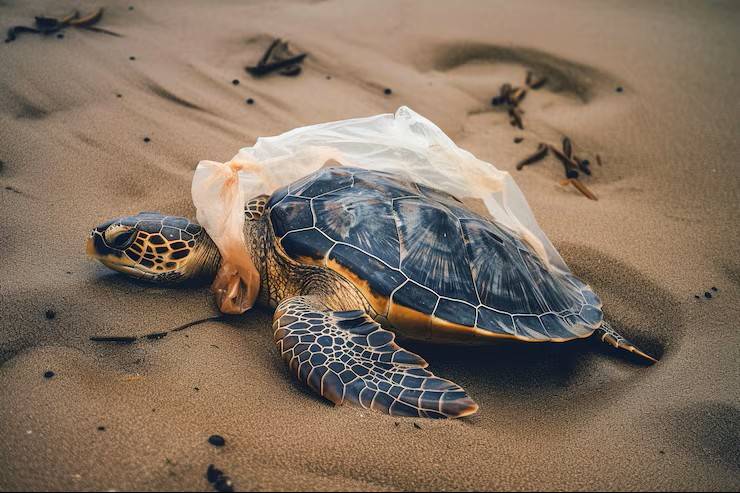
I’ve been on a journey to make my home eco-friendlier, and one of the areas I’ve focused on is my kitchen. For years, I, like many others, relied heavily on those convenient single-use plastic baggies for storing food, packing lunches, and general kitchen organization. However, as I learned more about the impact of plastic, I knew I had to make a change. Transitioning to biodegradable options felt like a natural and necessary next step for my household.
The Problem with Plastic
The issues with traditional plastic baggies are multifaceted and deeply concerning. One of the most alarming concerns is the presence of PFAS, often referred to as "forever chemicals." These chemicals are found in many everyday products, including some plastics, and they don't break down easily in the environment or in our bodies. Research is increasingly linking PFAS exposure to a range of health problems, including immune system dysfunction, developmental issues, and even certain types of cancer.

Beyond the human health implications, the environmental damage caused by plastic is undeniable. The environmental impact of single-use plastic bags is a significant concern. They contribute to landfill waste, pollution, and harm to wildlife. We've all seen the heartbreaking images of marine life entangled in plastic debris or mistaking it for food. This pollution not only harms individual animals but also disrupts entire ecosystems. On land, plastic waste contributes significantly to overflowing landfills, where it can take hundreds of years to decompose, leaching harmful chemicals into the soil and groundwater along the way.
Why Biodegradable Bags
Biodegradable bags offer a more sustainable alternative, breaking down naturally over time and reducing their long-term environmental footprint. The "why" behind switching is simple: to reduce my personal contribution to plastic pollution and its associated health risks. Biodegradable options offer a way to maintain the convenience of food storage without the long-term negative consequences.
Benefits of Biodegradable Bags
- Environmental Friendliness Biodegradable bags decompose much faster than conventional plastic, reducing waste and pollution.
- Reduced Carbon Footprint The production of biodegradable bags often has a lower carbon footprint compared to traditional plastic.
- Resource Conservation Many biodegradable bags are made from renewable resources, lessening reliance on fossil fuels.
- Consumer Appeal Increasingly, consumers are seeking out eco-friendly options, making biodegradable products an attractive choice.
Types of Biodegradable Bags
- Compostable Bags These bags break down into compost under specific composting conditions. It's important to note the difference between home compostable and industrially compostable.
- Oxo-Biodegradable Bags These bags are designed to break down with exposure to oxygen, though the rate and completeness of degradation can vary.
- Plant-Based Bags Made from materials like corn starch or sugarcane, these offer a renewable source.
Considerations for Consumers and Businesses
- Disposal Instructions Clearly communicate how to properly dispose of biodegradable bags, as their decomposition varies by type. Not all biodegradable bags can be composted at home.
- Durability and Performance Address any concerns about the strength and reliability of biodegradable bags compared to traditional plastic.
- Cost Comparison Discuss the potential cost differences and how they might factor into purchasing decisions.
- Certifications Highlight any relevant certifications that indicate a bag's biodegradability or compostability, such as BPI certification.
- Education Educate readers on what "biodegradable" truly means and the importance of understanding different breakdown processes.
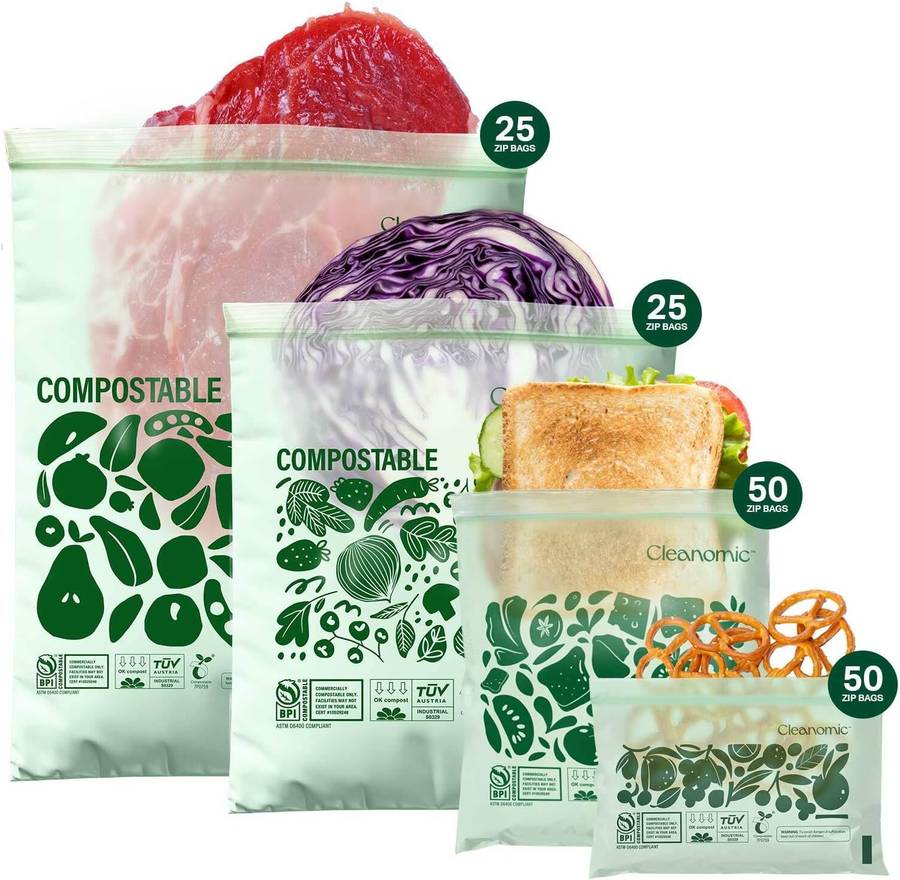
My Experience with Cleanomic
I’ve recently made the switch to the Cleanomic brand, and I’m incredibly impressed. These baggies are made from plant-based materials, such as corn starch, which means they are designed to break down naturally over time, unlike conventional plastics. This significantly reduces their environmental footprint.
The Price Factor and Disposal
Initially, I wondered about the cost difference. Biodegradable alternatives can sometimes have a higher upfront price point compared to conventional plastic baggies. However, when I factored in the reusability of the Cleanomic baggies and the fact that I’m making a choice that benefits my health and the planet, the price difference felt like a worthwhile investment. Over time, the ability to reuse them also helps to offset the initial cost. I also have made other choices for storage instead of baggies that have significantly reduced my use even of biodegradable baggies.
It's also important to consider disposal instructions for biodegradable bags, as their decomposition varies by type. While Cleanomic's plant-based bags are designed for natural breakdown, understanding the specifics of any biodegradable product is key. Making conscious choices about the products we use in our kitchens can have a significant positive impact, and the switch to biodegradable options like Cleanomic is a step I'm glad I took.
We can each make small changes that not only help our families health, but the health overall of society, both on land and water!
I hope you will do your own research and find alternatives to the plastics you use every day!
Back to table of contents
contact me via email